
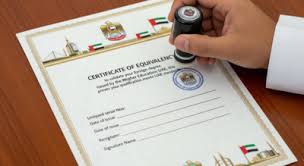

Moving to the United Arab Emirates for work, study, or to start a company is an exciting milestone. However, before you can pack your bags and book a flight, you must navigate the local immigration requirements. One of the most critical steps in securing your legal residency is verifying your educational certificates. The UAE government requires strict proof that your qualifications are authentic before granting specific visa types.
This verification process, commonly known as document attestation, can seem complicated at first glance. It involves multiple government departments across two different countries. Missing a single stamp or signature can cause significant delays in your travel plans. By understanding the exact requirements and following a clear sequence of steps, you can complete this process smoothly and get your visa approved on time.
Why Do You Need Certificate Verification?
The UAE government has strict policies to prevent credential fraud. Whether you are applying for a highly skilled employment visa, a golden visa, or setting up a new corporate entity, authorities need to know your background is legitimate. If you plan to open a company, you might even speak with a business advisor consultant in Dubai who will explain that your personal qualifications often dictate the type of trade license you can apply for.
Without proper degree verification, the Ministry of Human Resources and Emiratisation (MOHRE) will not issue a UAE work permit. Your employer cannot finalize your residency status, and you will not be able to sponsor your family members. Completing this legal requirement ensures your qualifications are officially recognized across all Emirates.
The Step-by-Step Attestation Process
Verifying your documents is a sequential process. You cannot skip a step, as each governing body relies on the stamp of the previous one. If you are relocating as part of a corporate expansion, many business management consultants Dubai recommend starting this process at least a month before your intended travel date.
Step 1: Local Verification in Your Home Country
Before your documents leave your home country, they must be authenticated locally. This usually starts with a Notary Public or the specific educational institution that issued your degree. They will verify the signature on your diploma and confirm that the document is a true copy of the original. In some regions, the local Department of Education or a similar state-level authority must also stamp the document.
Step 2: Ministry of Foreign Affairs (Home Country)
Once your document is locally notarized, you must send it to the Ministry of Foreign Affairs (or the Department of State) in the country where the degree was issued. This government body will attach its official seal, confirming to foreign governments that the previous local notary stamps are authentic and legally binding.
Step 3: UAE Embassy Attestation
After your home country’s government has validated the certificate, it goes to the UAE Embassy or Consulate located in that same country. The consular staff will review the foreign affairs stamp and apply their own official sticker and seal. This step bridges the legal gap between your home country and the UAE.
Step 4: MOFAIC in the UAE
The final step happens after the document arrives in the United Arab Emirates. You must submit the certified diploma to the Ministry of Foreign Affairs and International Cooperation (MOFAIC) in the UAE. MOFA attestation is the ultimate approval that allows local UAE departments, like immigration and labor offices, to accept your educational certificates.
Helpful Tips for a Smooth Verification Process
To avoid unnecessary stress and delays, keep these practical tips in mind while processing your paperwork:
- Check Translation Requirements: If your original degree is not in English or Arabic, you will likely need a legal translation. Always use a certified translator recognized by the UAE government.
- Protect Your Originals: Some authorities require the original diploma, while others only need a true copy. Always clarify the requirement beforehand, and use protective sleeves to keep your original documents from being damaged during transit.
- Use a Courier Service: Since the documents must travel between different offices and sometimes different countries, use a reliable, trackable courier service. Losing an original university degree is a massive headache you want to avoid.
- Start Early: Government processing times fluctuate. Do not wait until your job offer is finalized to start verifying your degrees.
Frequently Asked Questions (FAQs)
How long does the attestation process take?
The timeline varies depending on your home country and the current processing speeds of the relevant ministries. On average, it takes anywhere from three to six weeks to complete all four steps.
Can I do this process entirely from inside the UAE?
No. The first three steps must be completed in the country where the degree was issued. However, many specialized attestation agencies operate internationally and can handle the entire process on your behalf while you are in the UAE.
Do I need to verify my high school diploma as well?
This depends on your visa category. Highly skilled professionals usually only need to verify their highest level of education, such as a Bachelor’s or Master’s degree. Lower-tier visa categories might require a high school diploma.
Ready to Start Your UAE Journey?
Securing your UAE residency relies heavily on having your paperwork in perfect order. Verifying your educational certificates might feel like a maze of stamps and signatures, but it is a highly standardized procedure. By taking it one step at a time—from the local notary to the final MOFAIC approval—you ensure that your qualifications are legally recognized. Gather your original documents, map out the required offices in your home country, and take the first step toward your new life in the UAE today.