
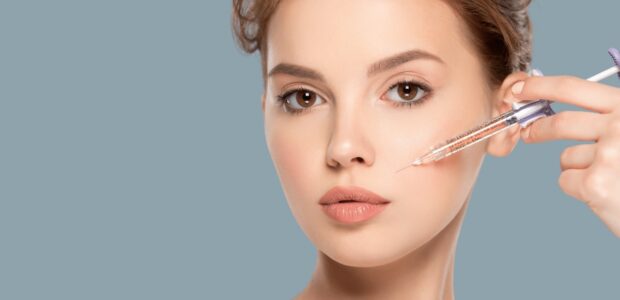

The Science and Art of Botox Injections: A Guide to Smooth Skin
Botox has grown into one of the most widely performed cosmetic procedures globally. Once considered a luxury exclusive to the elite, it is now a mainstream staple in modern skincare and aging management. Despite its widespread popularity, many misconceptions remain about what the treatment is, how it functions, and what patients should expect. Understanding the science behind Botox and how it interacts with facial anatomy is essential for anyone considering this cosmetic enhancement.
What is Botox and How Does It Work?
Botox is a purified protein serum derived from Clostridium botulinum, a bacterium found in natural environments. In medical aesthetics, it operates as a neuromodulator. When injected into specific facial muscles, Botox temporarily blocks the nerve signals that command those muscles to contract.
Facial wrinkles generally fall into two categories: static and dynamic. Static wrinkles are visible when the face is at rest, often caused by sun damage and aging. Dynamic wrinkles appear during facial expressions, such as smiling, squinting, or frowning. By relaxing the muscles responsible for these repetitive movements, Botox smooths out the overlying skin, dramatically reducing the appearance of dynamic lines and preventing new ones from etching deeper into the skin.
Common Treatment Areas and Medical Uses
While Botox is famous for its cosmetic benefits, its utility extends far beyond wrinkle reduction. In aesthetics, practitioners primarily target the upper face, including:
- Glabellar Lines: The vertical “11 lines” that form between the eyebrows during a frown.
- Crow’s Feet: The delicate, radiating lines that develop around the outer corners of the eyes from smiling or squinting.
- Forehead Lines: The horizontal creases that appear when raising the eyebrows.
Beyond aesthetics, Botox is an FDA-approved medical therapy. Doctors routinely use it to treat chronic migraines by blocking pain transmission pathways. It is also highly effective for hyperhidrosis (excessive sweating), cervical dystonia (painful neck muscle spasms), and bruxism (chronic teeth grinding).
The Treatment Experience and Timeline
A typical Botox session is remarkably brief, often referred to as a “lunchtime procedure” because it takes only 10 to 15 minutes. A qualified practitioner uses an ultra-fine needle to administer precise micro-injections into the targeted muscles. The discomfort is minimal, often described as a brief, mild pinching sensation, eliminating the need for anesthesia.
Botox does not yield instantaneous results. Patients usually begin to notice a softening of their facial lines within three to five days, with the peak, maximum effect manifesting around day fourteen. The longevity of the treatment varies based on individual metabolism and muscle mass, but results generally last between three and four months. As the protein naturally degrades, muscle activity gradually returns, and wrinkles will begin to reappear, signaling that it is time for a maintenance session.
Safety, Side Effects, and Aftercare
Botox boasts an excellent safety profile when administered by a licensed, experienced medical professional, such as a board-certified skin miracle clinic dermatologist or plastic surgeon. Minor, temporary side effects can include slight redness, localized swelling, or mild bruising at the injection site.
Proper aftercare is crucial to ensure optimal results and prevent the medication from migrating to unintended muscles. Patients should remain upright for at least four hours following treatment and avoid vigorous exercise, facials, or rubbing the treated areas for 24 hours. If you are considering Botox, scheduling a thorough consultation with a reputable specialist is the best first step to map out a safe, personalized treatment strategy.