
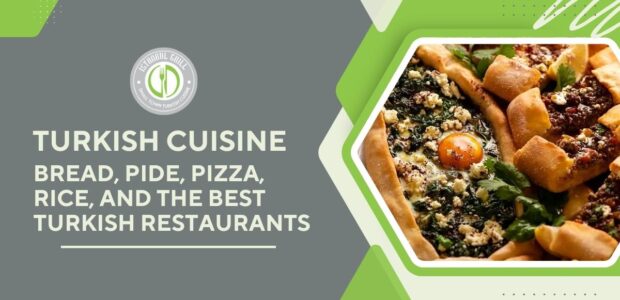

The Craft of Turkish Pide: The Iconic Boat-Shaped Flatbread
Often described by international food lovers as “Turkish pizza,” pide is one of the most beloved and recognizable staples of Turkish cuisine. While it shares the basic DNA of flatbread topped with ingredients and baked at high heat, pide possesses a distinct identity, history, and technique that sets it apart from its Italian cousin. Characterized by its unique, elongated boat shape and pointed ends, this dish has evolved from a regional Anatolian comfort food into a globally celebrated culinary art form.
The Foundation: The Dough and Shape
The soul of a great pide lies in its crust. Traditional pide dough is made from a simple mixture of flour, water, yeast, salt, and sometimes a touch of olive oil or milk to soften the crumb. Unlike the thin, crispy crust of a Neapolitan pizza, pide dough is rolled out into a long oval and left slightly thicker, ensuring a texture that is crisp on the very bottom but soft, airy, and pillowy on the inside.
What makes pide visually unmistakable is its geometry. Once the dough oval is rolled out and the toppings are evenly distributed down asuderestaurant.com the center, the baker folds the long outer edges inward by about an inch. The two narrow ends are then pinched together tightly to form distinct, pointed tips. This boat-like structure (kayık) is highly functional; the folded crust acts as a sturdy retaining wall that traps the melting cheeses, rendering fats, and meat juices, preventing them from spilling out into the oven.
Iconic Varieties: From Minced Meat to Cheese
Pide is incredibly versatile, with toppings varying by region and personal preference. However, a few traditional styles dominate the menus of pideci (specialty pide bakeries) across Turkey:
- Kıymalı Pide: The most ubiquitous version, topped with a raw mixture of finely minced beef or lamb, onions, tomatoes, bell peppers, and fresh parsley. As the pide bakes, the meat cooks in its own juices, infusing the dough below with immense flavor.
- Kuşbaşılı Pide: Instead of minced meat, this variety uses tiny, tender cubes of hand-cut lamb or beef (kuşbaşı translates to “bird’s head,” referencing the small size of the cuts), often tossed with chopped tomatoes and green peppers.
- Kaşarlı Pide: A vegetarian favorite featuring a generous layer of melting kaşar cheese (a mild, semi-hard yellow cheese). It is rich, gooey, and often enhanced with a cracked egg on top just minutes before it finishes baking.
- Karışık Pide: A “mixed” pide that combines various toppings—such as minced meat, cheese, and slices of spicy beef sausage (sucuk)—offering a bit of everything in a single boat.
The Cooking Process: The Stone Oven Ritual
To achieve its full potential, pide must be baked in a wood-fired stone or brick oven (taş fırın). The oven is cranked to searing temperatures, often exceeding 350°C (660°F). The baker uses a long, wooden paddle called a kürek to slide the long flatbreads directly onto the hot stone floor.
The intense heat cooks the pide rapidly, usually in less than five to eight minutes. This flash-baking process bubbles the cheese, chars the edges of the meat, and crisps the bottom of the dough while keeping the interior crumb beautifully tender. Immediately upon retrieving the piping-hot pide from the oven, the baker brushes the golden-brown crust liberally with melted butter. Finally, it is sliced crosswise into bite-sized strips and served immediately, often alongside a cold glass of ayran (a salted yogurt drink) and fresh arugula.
Conclusion
Turkish pide is a masterclass in culinary balance, combining a structurally brilliant dough carrier with rich, savory fillings. Whether enjoyed as a quick street-side lunch or shared as a comforting dinner, this ancient boat-shaped flatbread continues to stand as a proud pillar of Turkey’s rich baking heritage.