
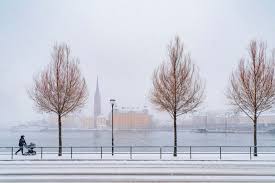

Quick answer: To stay healthy during the dark Swedish winter, international students should prioritize taking Vitamin D supplements, maintain a regular sleep schedule, and engage in daily physical activity. Embracing the local concept of “mys” (coziness) and dressing in thermal layers also helps prevent winter depression and keeps you active.
Moving to a Nordic country brings exciting opportunities and beautiful landscapes. But as the autumn leaves fall, the days get remarkably short. The temperature drops, and the sun might hide behind clouds for weeks. This sudden shift can shock your system, especially if you come from a warmer climate.
Maintaining your physical and mental health becomes a daily task. The lack of sunlight affects your energy levels, and the freezing temperatures make it tempting to stay in bed all day. However, learning to adapt to the Swedish winter is a rite of passage.
By making a few simple adjustments to your routine, you can turn a gloomy season into a cozy, productive time. Here is exactly what you need to know to thrive in the cold.
Why is it important to stay healthy when you study in Sweden?
When you study in Sweden, your academic success is closely tied to your physical well-being. The winter season often brings a lack of sunlight, which can lower your energy and focus. Taking care of your health ensures you can keep up with your coursework and fully enjoy the vibrant student life in Sweden.
Without proper nutrition and exercise, you might experience seasonal affective disorder (SAD), commonly known as winter depression. Symptoms include fatigue, sadness, and difficulty concentrating. Establishing a healthy routine early on protects your immune system from common colds and helps you maintain a positive mindset. Universities often provide free access to gyms and student health centers, so you have plenty of resources to stay in top shape.
How can you prepare to study in Sweden from Pakistan during winter?
If you plan to study in Sweden from Pakistan, the climate difference will be your biggest hurdle. Pakistan enjoys plenty of sunshine and warmth year-round. Arriving in a country where temperatures routinely drop below freezing requires serious preparation.
First, invest in high-quality winter clothing. You will need a heavy, windproof winter jacket, thermal underwear, waterproof boots, gloves, and thick woolen socks. Layering is the secret to surviving the Swedish winter. Dressing in layers traps your body heat and allows you to adjust your clothing when you enter warm buildings.
Second, adjust your diet and daily habits immediately. In Pakistan, you likely get enough Vitamin D from the sun. In Sweden, you must take Vitamin D supplements starting in October. Stock up on these supplements as soon as you arrive.
What are the best outdoor activities for the Swedish winter?
You might think staying indoors is the best way to survive the cold. Actually, getting outside is crucial for your health. Fresh air wakes up your brain and helps you sleep better at night.
Choose winter walking if you want a low-cost, easy activity. Walking for just 30 minutes during the brief daylight hours exposes you to natural light. Many cities clear the snow from pedestrian paths, making it safe to walk.
Choose ice skating or cross-country skiing if you want a full-body workout. Sweden has thousands of frozen lakes and well-maintained ski tracks. Most universities and local sports clubs offer cheap rental equipment for students. Engaging in outdoor activities in Sweden is also a fantastic way to meet locals and make new friends.
How can diet and habits combat winter depression?
What you eat directly impacts how you feel. The darkness can cause cravings for sugar and heavy carbohydrates. While indulging in traditional Swedish pastries like “semla” is fun, you need a balanced diet to maintain your energy.
Eat plenty of fatty fish, such as salmon and herring. These are staples in the Swedish diet and are rich in Omega-3 fatty acids, which boost brain function. Root vegetables, hearty soups, and whole grains will keep you full and warm.
Maintain a strict sleep schedule. Because it gets dark at 3:00 PM in December, your brain might think it is time to sleep. Go to bed and wake up at the same time every day. Consider buying a wake-up light alarm clock. These clocks simulate a natural sunrise, making it much easier to wake up on dark winter mornings.
Final words on embracing the cold
The winter months in Sweden can seem intimidating, but they also offer a unique, peaceful atmosphere. By dressing correctly, eating a nutritious diet, and staying active, you can easily conquer the cold. Remember to take your Vitamin D, step outside during daylight, and participate in social events. Embrace the Swedish culture of lighting candles and enjoying warm drinks with friends. Soon enough, you might find yourself looking forward to the snow.
Frequently Asked Questions
What are the best supplements to take during winter in Sweden?
Vitamin D is the most important supplement to take during the Swedish winter because the lack of sunlight prevents your body from producing it naturally. Omega-3 supplements are also recommended if you do not eat fish regularly.
How cold does it actually get in Sweden during winter?
Temperatures vary greatly depending on the region. In southern Sweden (like Malmö or Gothenburg), temperatures usually hover around 0°C to -5°C. In northern Sweden (like Umeå or Kiruna), temperatures can frequently drop below -20°C.
Does student housing in Sweden have good heating?
Yes, student housing and apartments in Sweden are built to withstand extreme cold. They feature excellent insulation, double or triple-glazed windows, and central heating. You will stay comfortably warm indoors regardless of the weather outside.
How can I make friends during the dark winter months?
Join student nations, university clubs, or local sports teams. Swedes spend a lot of time indoors during winter, participating in hobbies, board game nights, and “fika” (coffee breaks). Getting involved in these group activities is the easiest way to socialize.