
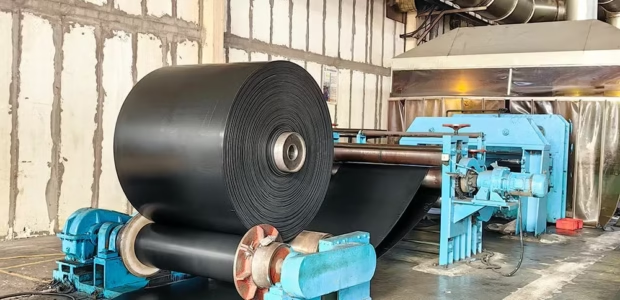

Chevron Conveyor Belt Benefits for Bulk Material Transportation
Posts by NoahjhonJune 13, 2026
Efficient bulk material transportation is a critical requirement across industries such as mining, agriculture, construction, cement manufacturing, recycling, and material processing. Moving materials safely and consistently, especially on inclined surfaces, can be challenging when using conventional conveyor systems.
To overcome these challenges, many industries rely on a Chevron Conveyor Belt. Designed with raised patterns on its surface, this specialized belt provides enhanced grip and stability, making it ideal for transporting bulk materials on slopes and uneven terrains.
As businesses continue to seek higher efficiency and reduced material loss, the demand for advanced Conveyor systems equipped with chevron belts has grown significantly. This article explores the key benefits of chevron conveyor belts and why they are widely used for bulk material handling applications.
What Is a Chevron Conveyor Belt?
A Chevron Conveyor Belt is a conveyor belt that features raised cleats or patterned ribs on its surface. These chevron-shaped profiles help prevent materials from sliding backward during transportation, particularly when moving materials on inclined conveyors.
Unlike flat belts, chevron belts provide additional grip, allowing materials to remain stable while being transported at higher angles.
These belts are commonly used for transporting:
- Sand
- Gravel
- Coal
- Cement
- Fertilizers
- Agricultural products
- Recyclable materials
- Industrial bulk materials
Their ability to handle challenging conveying conditions makes them an important component in many industrial operations.
Why Bulk Material Transportation Requires Specialized Belts
Bulk materials often have unique characteristics that can make transportation difficult.
Common challenges include:
- Material slippage
- Product spillage
- Uneven material flow
- Transportation on inclined surfaces
- Production inefficiencies
A standard Conveyor belt may struggle to maintain material stability when operating at steep angles.
A Chevron Conveyor Belt addresses these challenges by providing improved traction and better material retention throughout the transportation process.
Prevents Material Slippage on Inclines
One of the biggest advantages of a Chevron Conveyor Belt is its ability to prevent material rollback.
When transporting bulk materials on inclined conveyors, gravity can cause products to slide backward. This reduces efficiency and increases material loss.
The raised chevron profiles create additional friction that helps keep materials securely in place.
This allows businesses to transport materials at steeper angles while maintaining a steady and controlled material flow.
Increases Conveyor Efficiency
Efficiency is a major factor in industrial material handling operations.
A Chevron Conveyor Belt enables facilities to transport larger quantities of material without interruptions caused by slippage or instability.
Benefits include:
- Improved material flow
- Higher throughput
- Reduced transportation delays
- Increased operational productivity
When combined with a properly designed Conveyor system, chevron belts help optimize overall production performance.
Reduces Material Spillage
Material spillage can result in:
- Product loss
- Additional cleanup costs
- Safety hazards
- Reduced operational efficiency
The textured surface of a Chevron Conveyor Belt helps retain materials during transportation, reducing the likelihood of spillage even when operating on slopes.
This is particularly beneficial for handling loose or granular materials that can easily shift during movement.
Reducing material loss directly contributes to improved profitability and cleaner working environments.
Supports Steeper Conveyor Angles
One of the primary reasons industries choose a Chevron Conveyor Belt is its ability to operate effectively on inclined conveyor systems.
Traditional flat belts often require longer conveyor routes to maintain material stability.
Chevron belts allow facilities to transport materials at steeper angles, which can help:
- Reduce conveyor length
- Save installation space
- Improve facility layout
- Lower infrastructure costs
This makes them an excellent solution for operations with limited available space.
Suitable for a Wide Range of Materials
A Chevron Conveyor Belt can handle various bulk materials with different sizes, shapes, and characteristics.
Common applications include:
Mining Industry
Mining operations use chevron belts to transport:
- Coal
- Ore
- Aggregates
- Minerals
Construction Industry
Construction companies often use these belts for handling:
- Sand
- Gravel
- Crushed stone
- Cement materials
Agriculture Industry
Agricultural facilities transport:
- Grain
- Seeds
- Animal feed
- Fertilizers
Recycling Industry
Recycling plants rely on chevron belts to move mixed materials safely and efficiently.
Their versatility makes them suitable for numerous industrial environments.
Improves Workplace Safety
A reliable Conveyor system contributes significantly to workplace safety.
By reducing material rollback and spillage, a Chevron Conveyor Belt helps minimize hazards such as:
- Slipping risks
- Equipment blockages
- Material accumulation
- Manual cleanup requirements
Safer operations help improve compliance with workplace safety standards while protecting employees.
Enhances Material Handling Reliability
Consistency is essential in any production or material handling process.
A Chevron Conveyor Belt provides reliable transportation even when handling difficult materials or operating under demanding conditions.
The improved grip and stability help ensure:
- Consistent material movement
- Reduced production interruptions
- Better process control
- Increased equipment reliability
This reliability is especially valuable in high-volume industrial facilities.
Cost-Effective Material Transportation Solution
Industrial operations are always looking for ways to improve efficiency while controlling costs.
A Chevron Conveyor Belt offers several cost-saving advantages:
- Reduced material waste
- Lower cleanup expenses
- Improved productivity
- Enhanced equipment utilization
- Reduced downtime
Over time, these benefits can significantly improve the overall return on investment for material handling systems.
Durable and Long-Lasting Performance
Modern chevron belts are designed to withstand demanding industrial environments.
Depending on the application, they can be manufactured using durable materials that resist:
- Abrasion
- Wear
- Heavy loads
- Environmental exposure
When properly maintained, a Chevron Conveyor Belt can provide long-term performance and reliable operation for years.
Easy Integration with Existing Conveyor Systems
Many facilities already operate established material handling infrastructure.
One advantage of a Chevron Conveyor Belt is that it can often be integrated into an existing Conveyor system with minimal modifications.
This flexibility allows businesses to improve transportation performance without replacing entire conveyor networks.
Factors to Consider When Selecting a Chevron Conveyor Belt
Before choosing a belt, businesses should evaluate:
- Material type
- Conveyor angle
- Load capacity
- Belt width
- Environmental conditions
- Wear resistance requirements
Selecting the appropriate belt design helps maximize efficiency and operational reliability.
Conclusion
A Chevron Conveyor Belt is one of the most effective solutions for transporting bulk materials in industrial environments. Its unique design helps prevent material slippage, reduce spillage, support steeper conveyor angles, and improve overall handling efficiency.
When integrated into a well-designed Conveyor system, chevron belts provide reliable performance across industries such as mining, agriculture, construction, recycling, and manufacturing. By improving productivity, enhancing safety, and reducing material loss, these specialized belts continue to play a vital role in modern bulk material transportation operations.