
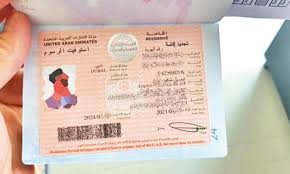

Quick answer: Getting a work visa in Dubai requires employer sponsorship, document submission, a medical fitness test, and Emirates ID registration. The process typically takes 2–5 weeks. Costs for Pakistani applicants generally range from AED 3,000 to AED 7,000 (approximately PKR 230,000 to PKR 540,000), depending on the visa type and employer.
Moving to Dubai for work is an exciting step, and honestly, a life-changing one! The UAE has become one of the most sought-after destinations for professionals from around the world, especially from Pakistan. With tax-free salaries, world-class infrastructure, and a booming job market, it’s easy to see why so many people are eager to make the move.
But before you pack your bags, there’s one important thing to sort out: your work visa. The process can feel overwhelming at first, but once you understand how it works, it’s actually pretty straightforward. This guide breaks it all down for you, step by step, with helpful tips along the way.
What Is a Work Visa in Dubai, and Who Needs One?
A work visa in Dubai is an official permit that allows foreign nationals to legally live and work in the UAE. Without it, working in Dubai is not permitted, regardless of whether you have a job offer in hand.
Every expat who plans to work in the UAE needs a valid work visa. The good news? Your employer handles a big part of the process for you. In Dubai, work visas are employer-sponsored, which means your company acts as your legal sponsor (also called a “kafeel”) throughout your employment.
There are several types of work-related visas and permits in the UAE:
- Employment Visa – The standard visa for full-time employees
- Mission Visa – For short-term work assignments (up to 90 days)
- Green Visa – A self-sponsored visa for skilled professionals and freelancers
- Golden Visa – A long-term residency visa for highly skilled individuals and investors
For most job seekers, the employment visa is the one you’ll be applying for.
Step-by-Step Process for Getting a Dubai Work Visa
Here’s how the UAE work visa process typically unfolds:
Step 1: Get a Job Offer from a UAE-Based Employer
Your Dubai work visa journey starts with a job offer. Your employer will initiate the visa application on your behalf through the Ministry of Human Resources and Emiratisation (MOHRE) or a free zone authority if the company operates in a free zone.
Tip: Make sure your job offer letter is official and includes your job title, salary, and contract duration. You’ll need these details later.
Step 2: Apply for an Entry Permit
Before you can enter the UAE on a work visa, your employer applies for an entry permit (also called a work entry visa). Once approved, this permit allows you to enter Dubai and begin the residency stamping process.
The entry permit is usually valid for 60 days and can be extended if needed.
Step 3: Undergo a Medical Fitness Test
Once you’re in the UAE, you’ll need to visit an approved medical center for a medical fitness test. This typically includes:
- A blood test (checking for HIV, hepatitis, and tuberculosis)
- A chest X-ray
Medical tests are mandatory for all work visa applicants. Results are usually available within 1–3 days.
Step 4: Submit Your Documents
Your employer or a registered PRO (Public Relations Officer) will submit your visa application documents to the General Directorate of Residency and Foreigners Affairs (GDRFA). Required documents generally include:
- Valid passport (at least 6 months validity)
- Passport-sized photos
- Attested educational certificates
- Medical fitness certificate
- Signed employment contract
Tip: Make sure your educational documents are attested by the Pakistani Ministry of Foreign Affairs and then verified by the UAE Embassy in Pakistan before you travel. This is a step many people skip—and it causes unnecessary delays!
Step 5: Get Your Emirates ID
After the medical test, you’ll register for your Emirates ID through the Federal Authority for Identity, Citizenship, Customs and Port Security (ICP). This card serves as your official national ID in the UAE and is required for almost everything—opening a bank account, signing a lease, and more.
Step 6: Residency Visa Stamping
The final step is getting your residence visa stamped in your passport. Once this is done, your work visa is officially active! Residence visas are typically valid for 2 years, after which you’ll need to renew.
Dubai Work Visa Price in Pakistan: How Much Does It Cost?
This is probably the question most Pakistani applicants want answered—and it’s a fair one! The Dubai work visa price in Pakistan depends on several factors, including the type of visa, your employer’s location (mainland vs. free zone), and whether you use a visa agent.
Here’s a general cost breakdown:
|
Fee Type |
Approximate Cost (AED) |
Approximate Cost (PKR) |
|---|---|---|
|
Entry permit |
AED 500–1,000 |
PKR 38,000–77,000 |
|
Medical test |
AED 300–700 |
PKR 23,000–54,000 |
|
Emirates ID |
AED 370–470 |
PKR 28,000–36,000 |
|
Residency stamping |
AED 1,000–2,000 |
PKR 77,000–154,000 |
|
Document attestation (Pakistan) |
PKR 20,000–50,000 |
— |
|
Total (estimated) |
AED 3,000–7,000 |
PKR 230,000–540,000 |
Note: Exchange rates fluctuate. Verify the current PKR/AED rate before budgeting.
In many cases, employers cover the visa costs—especially for skilled or professional roles. Always clarify this with your employer before accepting a job offer!
Helpful Tips to Make the Process Smoother
- Attest your documents early. The attestation process in Pakistan can take 2–4 weeks. Start before you even get a job offer if you’re actively job hunting.
- Use a reputable visa agent if needed. Visa agents in Pakistan can help navigate paperwork and liaise with UAE authorities, but always verify their credentials first.
- Stay on top of deadlines. Your entry permit has an expiry date. Missing it can result in fines or the need to reapply.
- Keep digital and physical copies of everything. Emails, contracts, medical results, visa copies—store them in a cloud folder and carry physical copies when traveling.
- Ask your employer about free zone vs. mainland. Free zone employment comes with different visa rules and sometimes additional costs.
UAE Work Visa LSI Keywords Worth Knowing
To help you research further, here are some related terms commonly used in UAE work visa discussions:
- UAE residence visa renewal – The process of renewing your 2-year visa
- MOHRE labor contract – Your registered employment contract
- Emirates ID application – Registration for your official UAE ID
- NOC letter UAE – A No Objection Certificate sometimes required when switching employers
- Kafala system UAE – The employer sponsorship system governing expat employment
- UAE free zone visa – Work visas issued by free zone authorities like DMCC or JAFZA
Frequently Asked Questions About Dubai Work Visas
How long does it take to get a work visa in Dubai?
The full process—from entry permit to residency stamping—typically takes 2 to 5 weeks, depending on document readiness and processing times.
Can I apply for a Dubai work visa from Pakistan without a job offer?
No. You cannot apply for a standard employment visa without an employer sponsor. However, you can apply for a UAE job seeker visa (valid for 60–120 days), which lets you enter Dubai to look for work.
Who pays for the work visa—the employer or the employee?
Legally, UAE employers are responsible for covering visa costs for their employees. However, practices vary. Always confirm this in your offer letter or employment contract.
Can I change jobs on a UAE work visa?
Yes, but the process has specific steps. You typically need to cancel your existing visa, serve a notice period, and have a new employer initiate a fresh visa. Some situations require a NOC letter from your previous employer.
Is the Dubai work visa the same as a UAE work visa?
Yes and no. A Dubai work visa is issued through Dubai’s authorities (GDRFA Dubai), while the UAE also has other emirates like Abu Dhabi and Sharjah with their own processes. The general structure is similar across all emirates.
What happens if my visa expires while I’m in the UAE?
Overstaying a visa in the UAE results in daily fines of AED 50–100. It’s essential to renew or exit before your visa expires.
Final Words
Getting a work visa in Dubai doesn’t have to be stressful—as long as you know what to expect! The key is to stay organized, prepare your documents early (especially the attestation in Pakistan), and keep clear communication with your employer throughout the process.
Whether you’re a fresh graduate chasing your first big opportunity or an experienced professional looking for a career upgrade, Dubai has a lot to offer. And now that you know exactly how the work visa process works, you’re one step closer to making it happen.
Good luck—Dubai is waiting for you!