
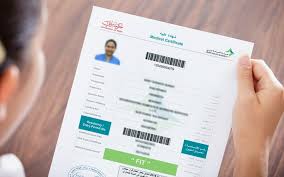

Quick answer: To sponsor a domestic worker visa in Dubai, you must be a UAE resident with a valid residence visa, meet minimum salary requirements, and submit an application through the Ministry of Human Resources and Emiratisation (MOHRE). The process typically takes 2–4 weeks and involves medical testing, Emirates ID registration, and signing a standard work contract.
Hiring a domestic worker in Dubai—whether a nanny, housekeeper, or personal driver—can genuinely transform your daily life. But before your new employee sets foot in your home, there’s a visa sponsorship process you need to navigate. And honestly? It’s more straightforward than most people think!
This guide walks you through everything step by step: who qualifies as a sponsor, what documents you’ll need, how much it costs, and a few helpful tips to make the process as smooth as possible. Let’s get into it!
What Do Business Consulting Services in Dubai Have to Do With Domestic Worker Visas?
Great question! While sponsoring a domestic worker is typically a personal process handled directly by the employer, many families in Dubai—especially those new to the UAE—turn to business consulting services in Dubai to help them navigate government procedures, paperwork, and legal requirements.
These consulting firms are well-versed in UAE labor law and residency regulations. They can handle submissions on your behalf, ensure your documents are correctly formatted, and significantly reduce the chance of delays. If you’re juggling a busy schedule, it’s absolutely worth considering.
That said, you can also handle the process entirely on your own through official UAE government portals. Either way, knowing the steps is the first move.
Am I Eligible to Sponsor a Domestic Worker in Dubai?
Before anything else, you need to confirm that you meet the basic eligibility requirements set by the UAE Ministry of Human Resources and Emiratisation (MOHRE). Here’s what’s required:
- You must hold a valid UAE residence visa
- Your monthly salary must be at least AED 6,000, or AED 5,000 if you already have accommodation provided by your employer
- You must not have any outstanding violations or legal issues with previous domestic workers
- The number of domestic workers you can sponsor depends on your family size and salary level
If you meet these criteria—great, you’re ready to start!
Step-by-Step: How to Sponsor a Domestic Worker Visa in Dubai
Step 1: Choose Your Worker and Agree on Terms
First things first—find your domestic worker! You can hire through a registered recruitment agency in Dubai or sponsor a worker already in the UAE on a visit visa. Make sure you discuss salary, working hours, rest days, and accommodation clearly from the beginning. UAE law mandates that domestic workers receive at least one rest day per week and 30 days of annual leave.
Step 2: Sign a Standard Work Contract
Before any visa application begins, both you and your worker must sign the MOHRE standard domestic worker contract. This is a legally binding document that protects both parties. You can download the template directly from the MOHRE website or complete it through the Tadbeer app, which is the UAE’s dedicated platform for domestic worker services.
Make sure the contract is filled out accurately—errors here can cause delays later on.
Step 3: Submit the Entry Permit Application
If your worker is outside the UAE, you’ll need to apply for an entry permit first. This is done through:
- The ICP (Federal Authority for Identity, Citizenship, Customs & Ports Security) website
- The GDRFA Dubai (if you’re based in Dubai specifically)
- A registered Tadbeer center
You’ll need to submit the following documents:
- Copy of your Emirates ID and passport
- Your residence visa copy
- Salary certificate from your employer
- Signed domestic worker contract
- Passport copy of the worker
Processing typically takes 3–7 business days.
Step 4: Worker Arrives and Undergoes Medical Testing
Once the entry permit is approved and your worker arrives in the UAE, they must complete a medical fitness test at an approved health center. This test screens for infectious diseases and is a mandatory step before the residence visa can be issued.
Results are usually available within 2–3 working days.
Step 5: Apply for the Residence Visa and Emirates ID
With the medical test cleared, you can now apply for the UAE residence visa and Emirates ID for your domestic worker. Submit the application through:
- An approved typing center
- The ICP online portal
- A Tadbeer center
Required documents at this stage:
- Entry permit (stamped)
- Medical fitness certificate
- Passport-sized photos with white background
- Signed work contract
Once approved, the residence visa is typically valid for 2 years and can be renewed before expiry.
How Much Does It Cost to Sponsor a Domestic Worker?
Costs can vary depending on the worker’s nationality and the services you use. Here’s a general breakdown:
|
Service |
Approximate Cost (AED) |
|---|---|
|
Entry permit |
200–400 |
|
Medical fitness test |
250–320 |
|
Residence visa stamping |
400–600 |
|
Emirates ID |
100–200 |
|
Agency/Tadbeer service fees |
500–1,500 |
In total, expect to pay somewhere between AED 1,500 and AED 3,000 for the full process, excluding any recruitment agency fees for sourcing the worker.
Helpful Tips to Make the Process Easier
Here are a few things that experienced sponsors in Dubai swear by:
- Use a Tadbeer center — These are government-regulated centers specifically set up to manage domestic worker visas. They’re efficient, reliable, and handle everything in one place.
- Double-check document requirements — Requirements can change. Always verify the latest list on the MOHRE or ICP official websites before submitting.
- Keep copies of everything — Store digital copies of all documents in a secure folder. You’ll need them again at renewal time.
- Don’t skip the contract — Some employers skip the formal contract step thinking it’s optional. It isn’t—and it protects you legally.
- Ask a professional if unsure — A trusted business advisor Dubai residents rely on can simplify the legal side if things get confusing.
Frequently Asked Questions
Can I sponsor a domestic worker if I’m on a spouse or family visa?
Yes, you can—provided your sponsor (typically your spouse) meets the minimum salary threshold of AED 6,000 per month. Your eligibility is tied to the household income and your own valid UAE residence status.
How long does the entire sponsorship process take?
From start to finish, expect the process to take 2 to 4 weeks, depending on how quickly documents are processed and whether any medical or administrative delays occur.
What happens if my domestic worker’s visa expires?
You must renew the residence visa before it expires. A lapsed visa may result in fines for overstay. It’s a good idea to set a calendar reminder 2–3 months before expiry to start the renewal process early.
Can I transfer a domestic worker’s visa from another sponsor?
Yes, with the mutual agreement of the current sponsor and the worker. The transfer process is handled through MOHRE and requires both parties to agree formally. This is common when a worker has completed their contract with one family and moves to another.
What are my legal obligations as a domestic worker sponsor?
UAE law requires you to provide accommodation, meals, healthcare coverage, annual leave, a weekly rest day, and timely salary payments. Failure to meet these obligations can result in legal penalties.
Final Words
Sponsoring a domestic worker visa in Dubai is genuinely manageable once you understand the steps. Yes, there’s paperwork involved—but the UAE government has put solid systems in place (like Tadbeer centers and online portals) to make this process as accessible as possible.
Whether you choose to go it alone or work with a professional service, the key is to stay organized, use official channels, and keep communication open with your worker throughout. A smooth visa process sets the tone for a positive and respectful working relationship—and that benefits everyone in the household!