
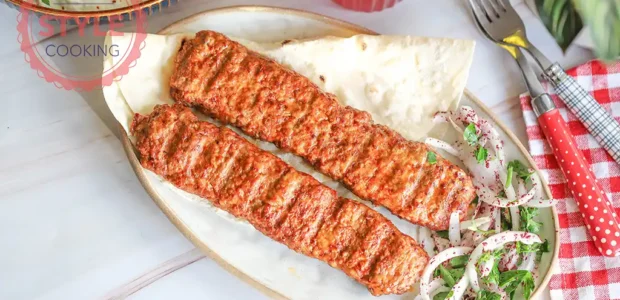

The Magic of Kağıt Kebabı: Locking in the Flavors of Anatolia
In the vast and fiery world of Turkish cuisine, where open charcoal grills and smoking cast-iron skillets usually dominate, Kağıt Kebabı (literally translated as “paper kebab”) introduces a masterclass in gentle, self-basting precision. This iconic dish swaps the intense, direct kebabvalls.com heat of the grill for the enclosing embrace of baking parchment or heavy paper. By wrapping the ingredients tightly before baking, the meat and vegetables are forced to cook entirely in their own trapped vapors. The result is a dual culinary miracle: a dish that achieves a beautifully browned exterior while remaining astonishingly juicy and tender on the inside.
A Culinary Tale of Two Styles
When discussing Kağıt Kebabı in Turkey, you are actually exploring two entirely distinct regional philosophies, both brilliant in their own right.
1. The Antakya (Hatay) Tradition: The Flat Meat Disk
The most famous, geographically protected version hails from Hatay, a southern culinary capital renowned for its heavy Ottoman and Levantine influences. In this rendition, the focus is entirely on a seasoned meat mixture. Premium, moderately fatty beef and lamb are finely minced—ideally chopped by hand using a massive crescent knife called a zırh. This meat is mixed with ultra-fine bell peppers, garlic, and fresh parsley, then pressed flat directly onto a sheet of parchment paper until it forms a thin, uniform disk. As it bakes at high temperatures, the fat liquefies, frying the bottom of the meat against the paper while the steam keeps the top succulent.
2. The Esnaf (Tradesman) Tradition: The Vegetable Parcel
Found in traditional lunch eateries across western and central Turkey, this second style plays out like a rustic French en papillote. Instead of minced meat, it features lean cubes of beef or lamb pre-sautéed with small pearl onions, sweet garden peas, cubed potatoes, and carrots. This colorful medley is tucked into a parchment paper packet, folded into a tight envelope, and baked. Opening the paper package at the dinner table releases an intoxicating cloud of aromatic, herb-infused steam.
Masterclass: Crafting Hatay-Style Kağıt Kebabı at Home
Because the Hatay style relies on structural simplicity, executing it perfectly at home requires focusing heavily on your meat-to-fat ratio and your hand-kneading technique.
Essential Ingredients
- The Meat Blend: 500g ground meat (a 50/50 split of beef brisket and lamb shoulder provides the perfect fat balance) and 50g of ultra-finely minced lamb tail fat (kuyruk yağı).
- The Aromatics: 1 large red capia pepper, 1 green chili pepper, 4 garlic cloves, and half a bunch of flat-leaf parsley.
- The Finish: 1 tatlı kaşığı (tsp) salt, 1 tsp red pepper flakes, 1 tsp black pepper, slices of fresh tomato, and green peppers for topping.
Step-by-Step Execution
To begin, do not use a food processor for your vegetables if you can avoid it; a processor pulverizes them into a watery paste that will ruin the meat’s structure. Instead, use a sharp chef’s knife to chop the capia pepper, green chili, garlic, and parsley into microscopic fragments.
Combine the ground meat, minced tail fat, finely chopped vegetables, and spices in a large bowl. Knead aggressively for at least 8 to 10 minutes. You are looking for a structural transformation: the heat from your hands will melt the fats slightly, and the mixture will become sticky, uniform, and paste-like.