

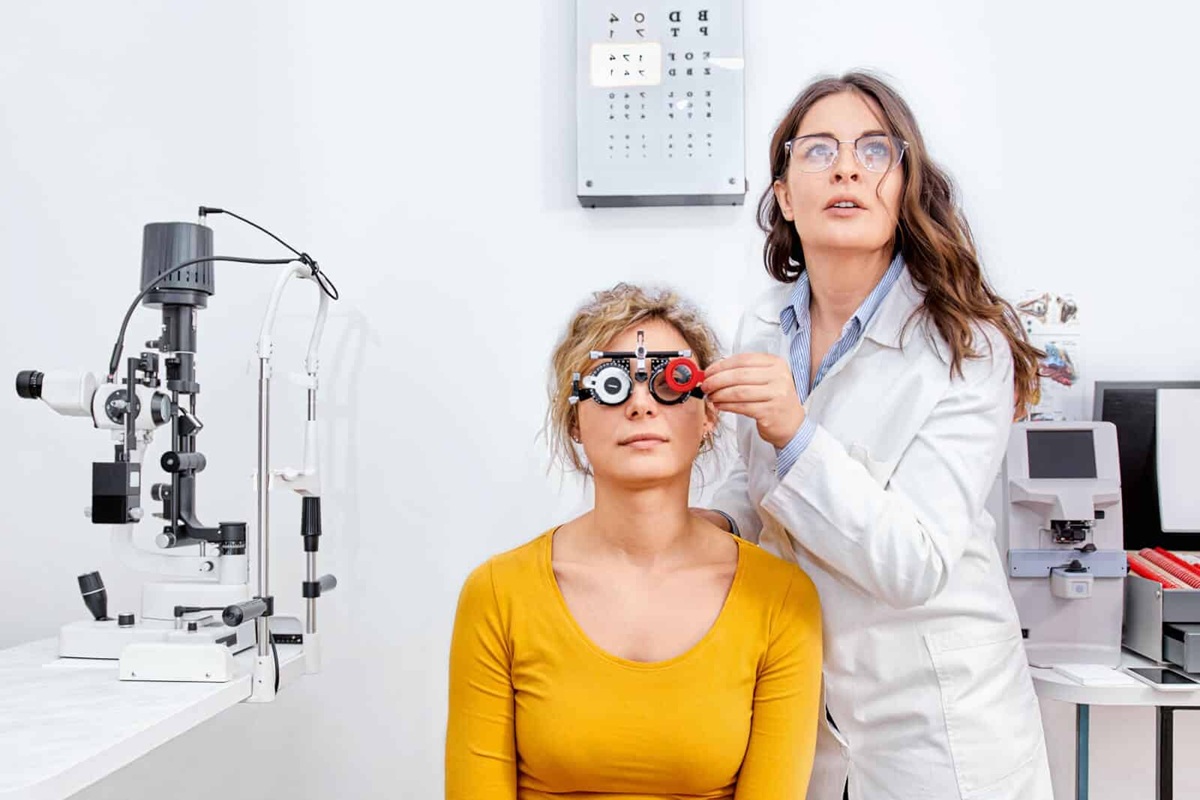
These are questions countless Australian parents are asking themselves. And increasingly, they’re finding answers in an area many hadn’t considered: behavioural optometry. This specialised approach to eye care goes far beyond checking if your child can read letters on a chart. It examines how vision affects everything from reading and writing to coordination and classroom behaviour.
In this article, we’ll explore what behavioural optometry actually involves and how it differs from standard eye tests. You’ll discover the signs that might indicate your child could benefit from this approach, and we’ll tackle the important question of whether vision problems can be mistaken for conditions like ADHD. We’ll also look at vision therapy, examine the evidence behind these treatments, and give you practical guidance on finding a qualified practitioner near you. By the end, you’ll have a clearer picture of whether behavioural optometry might be the missing piece in supporting your child’s development.
What Is Behavioural Optometry
Behavioural optometry takes a whole person approach to vision care. Rather than simply checking whether your child can see clearly at distance, behavioural optometrists examine how the entire visual system functions including how the eyes move, focus, and work together as a team.
How Does Behavioural Optometry Differ from Standard Eye Tests?
A standard eye test typically checks visual acuity (the 20/20 measurement) and screens for obvious eye health issues. Your child might pass with flying colours, yet still struggle with vision-related tasks at school. That’s because standard tests don’t always assess the skills needed for learning.
Behavioural optometry assessments are far more thorough. They evaluate eye tracking, focusing flexibility, eye teaming, and visual processing abilities. Think of it this way: a standard test checks if the camera works, while a behavioural assessment examines whether the entire photography system camera, lens, processor, and software functions smoothly together.
What Does a Behavioural Optometrist Actually Do?
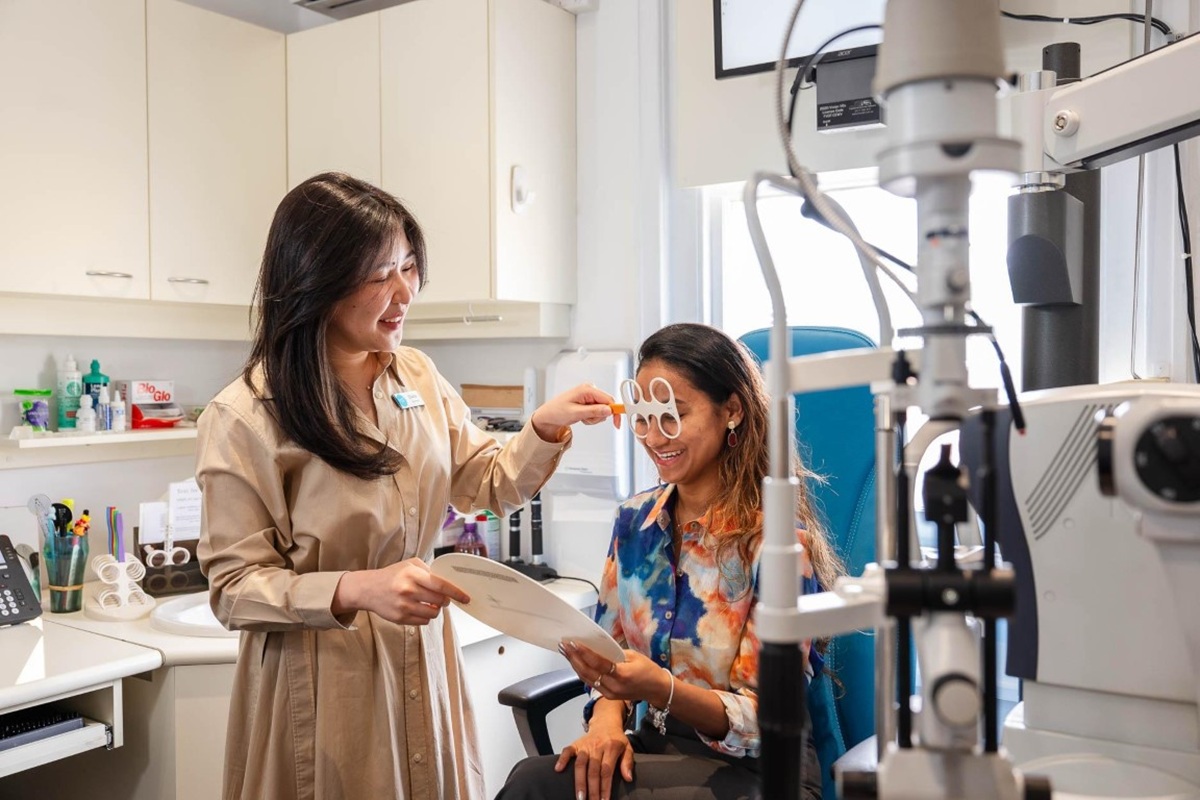
A behavioural optometrist conducts extensive testing that might take an hour or more. They’ll assess how well your child’s eyes track moving objects, switch focus between near and far, and coordinate together. They also evaluate visual perception skills—how the brain interprets what the eyes see.
Based on their findings, they may recommend glasses, vision therapy exercises, or both. The goal isn’t just clear sight; it’s efficient, comfortable vision that supports learning and daily activities.
Signs Your Child Might Benefit from Behavioural Optometry
Many parents don’t realise their child has a vision problem because the signs aren’t always obvious. Children often assume everyone sees the way they do, so they don’t complain.
Common Symptoms Parents Often Overlook
Watch for these subtle indicators: rubbing eyes frequently, tilting the head while reading, using a finger to track words, or sitting unusually close to screens. Complaints of tired eyes, headaches after close work, or words appearing to “move” on the page are also red flags.
Some children avoid reading altogether or take much longer than expected to complete homework. Others might have excellent verbal skills but struggle with written work. These patterns can indicate underlying vision issues that standard tests miss.
Why Reading Difficulties Aren’t Always About Literacy
Here’s something many parents don’t realise: reading requires incredibly complex visual skills. Your child’s eyes must track smoothly across a line, jump accurately to the next line, and maintain focus throughout. If any of these skills are underdeveloped, reading becomes exhausting.
A child might know their letters perfectly but still struggle because their eyes can’t sustain the physical demands of reading. This isn’t a literacy problem it’s a vision problem masquerading as one.
The Link Between Vision Problems and Classroom Behaviour
When vision is uncomfortable, children often act out or switch off. They might fidget, daydream, or avoid tasks altogether. Teachers may report that a child “doesn’t try or “could do better if they focused. Sound familiar?
In reality, these children might be working twice as hard as their peers just to see properly. Their “behaviour problems” could actually be survival strategies for coping with visual stress.
Can Vision Problems Be Mistaken for ADHD or Learning Difficulties?
This is a question more parents are asking and the answer might surprise you. The symptoms of certain vision problems can look remarkably similar to ADHD and specific learning difficulties.
Understanding the Overlap Between Vision and Attention Issues
Consider this: a child with poor eye tracking might constantly lose their place while reading, appearing inattentive. A child whose eyes don’t focus efficiently might avoid close work, seeming unmotivated. One whose eyes don’t team well might struggle with concentration because maintaining single vision requires enormous effort.
These children aren’t choosing to misbehave or zone out. Their visual systems are working overtime, leaving little energy for learning. The behaviours look like attention problems, but the root cause is different entirely.
When to Seek a Second Opinion
If your child has been assessed for ADHD or learning difficulties but treatment isn’t helping as expected, consider a behavioural optometry assessment. This doesn’t mean abandoning other approaches but ruling out or addressing vision issues can make other interventions more effective.
Many children have both vision problems and other conditions. Addressing the visual component often helps overall progress, even when it isn’t the only factor.
How Vision Therapy Helps Children Thrive
Vision therapy is like physiotherapy for the eyes and visual system. It uses targeted exercises to develop and strengthen visual skills that haven’t developed properly on their own.
What Is Vision Therapy and How Does It Work?
Vision therapy typically involves weekly in office sessions plus daily home exercises. Activities might include tracking exercises, focusing drills, eye-teaming tasks, and visual-motor integration activities. The exercises are often game-like, keeping children engaged.
The brain is remarkably adaptable, especially in childhood. With consistent practice, neural pathways strengthen and visual skills improve. Most programs run for several months, with progress monitored throughout.
What Conditions Can Vision Therapy Treat in Children?
Vision therapy can address convergence insufficiency (difficulty pointing both eyes at close objects), accommodative dysfunction (focusing problems), eye tracking difficulties, and some types of strabismus (turned eyes). It can also help with visual processing issues that affect reading and learning.
Not every vision problem responds to therapy some conditions require glasses, prisms, or other interventions. A thorough assessment determines the best approach for each child.
Real Results: What Parents Are Seeing After Treatment
Parents frequently report dramatic improvements. Children who hated reading suddenly pick up books voluntarily. Homework battles decrease as tasks become less exhausting. Headaches disappear. Confidence grows.
Teachers often notice changes too improved handwriting, better concentration, and increased participation. While results vary, many families describe vision therapy as transformative.
Is Behavioural Optometry Evidence-Based?
This is a fair question, and it deserves a straight answer. The evidence base for behavioural optometry varies depending on the specific condition and treatment.
Current Research and Professional Recognition in Australia
Convergence insufficiency treatment, for example, has strong research support. A major study called the Convergence Insufficiency Treatment Trial demonstrated that office based vision therapy was significantly more effective than home exercises alone or placebo treatment.
In Australia, behavioural optometry is recognised within the broader optometry profession. The Australasian College of Behavioural Optometrists provides additional training and certification. While debate continues about some aspects of the field, many treatments have solid evidence supporting their use.
.jpg)
What to Expect at Your Child’s First Behavioural Optometry Appointment
Knowing what’s coming helps both you and your child feel prepared. The first appointment is thorough and quite different from a standard eye test.
How Long Does a Behavioural Optometry Assessment Take?
Expect the initial assessment to take 60-90 minutes, sometimes longer for complex cases. The optometrist will gather detailed history about your child’s development, learning, and any concerns. Testing then covers eye health, visual acuity, and all those functional skills we discussed earlier.
Your child won’t need to read or identify letters for every test many assessments work even for pre readers or children with language difficulties.
Questions to Ask Your Behavioural Optometrist
Come prepared with questions: What specific issues have you identified? What treatment do you recommend, and what does it involve? How long might treatment take? What improvements can we realistically expect? What happens if we don’t treat this?
A good practitioner will explain findings clearly and discuss options without pressuring you into immediate decisions.
Finding a Qualified Behavioural Optometrist Near You
Not all optometrists offer behavioural services, so finding the right practitioner matters.
What Qualifications Should You Look For?
Look for membership in the Australasian College of Behavioural Optometrists (ACBO) or completion of relevant postgraduate training. These practitioners have undertaken additional study beyond their optometry degree specifically in behavioural and developmental vision.
Don’t hesitate to ask about their experience with children and the specific concerns you have.
Understanding Costs and Medicare Rebates in Australia
Some components of behavioural optometry assessments attract Medicare rebates, though not all testing is covered. Vision therapy is generally not rebated by Medicare. Some private health funds provide partial coverage for therapy sessions—check your policy.
Costs vary between practices, so ask about fees upfront. Many practices offer payment plans to make treatment accessible.
Giving Your Child the Best Start with Healthy Vision
We’ve covered a lot of ground, from understanding what behavioural optometry involves to recognising when your child might benefit. The key takeaway? Clear sight doesn’t automatically mean comfortable, efficient vision. Many children who pass standard eye tests still struggle with vision-related learning difficulties.
If your child shows signs of visual stress whether that’s headaches, reading avoidance, or concentration difficulties a behavioural optometry assessment could provide valuable answers. Even if vision isn’t the primary issue, ruling it out means you can focus energy where it’s truly needed.
Your child deserves every opportunity to thrive. Sometimes, the path to better learning starts with understanding how they see the world literally. Trust your instincts, ask questions, and remember that seeking answers is always the right choice. Here’s to clearer vision and brighter futures for our kids.