
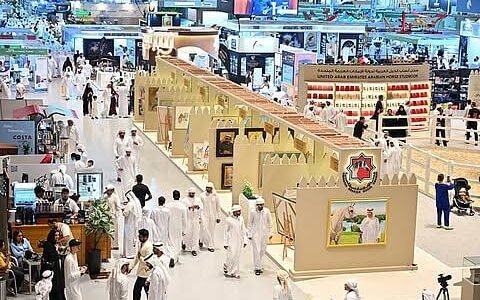

An effective exhibition stand should attract attention while remaining functional, safe, and easy to navigate. Creative structures, distinctive graphics, interactive displays, and unusual lighting can help a brand stand out, but these features must support the purpose of the exhibition.
The best designs combine visual impact with practical considerations such as available floor space, visitor movement, product presentation, technical requirements, and installation schedules. Businesses should establish their objectives first and then select creative features that help achieve them.
Start With Clear Exhibition Objectives
Before developing a concept, decide what the stand needs to accomplish. A business seeking new customers may prioritise product demonstrations and visitor conversations, while a company launching a product may focus on visibility and interactive presentations.
These objectives help designers determine which creative elements are necessary and which may add complexity without delivering meaningful value.
When evaluating a trade show display company dubai, review how the proposed concepts address visitor engagement, product visibility, brand messaging, and practical operation. A good design process should connect creative ideas with measurable exhibition goals.
Useful questions include:
- What should visitors understand about the brand?
- Which products or services need the most attention?
- How many visitors are expected at busy times?
- Will the stand support demonstrations, meetings, or lead collection?
- What restrictions apply to the allocated exhibition space?
Clear answers provide a foundation for making informed design decisions.
Develop Creative Features That Serve a Purpose
Creativity is most effective when it improves the visitor experience. Unusual shapes, illuminated branding, large graphics, product showcases, and interactive elements can attract attention, but each feature should have a clear function.
For example, a distinctive overhead structure may improve visibility from a distance, while a demonstration counter can help visitors understand a product. A digital screen may communicate complex information more effectively than several printed panels.
Use the following principles to guide creative decisions:
- Give the stand one recognisable visual feature.
- Make the main brand message easy to identify.
- Use interactive elements where they add genuine value.
- Keep product displays organised and accessible.
- Avoid decorative features that obstruct visitor movement.
A strong concept does not need to include every available design trend. A few carefully selected features often create a more coherent result.
Make the Layout Practical for Visitors and Staff
A creative stand must function throughout the exhibition, including during busy periods. Poorly positioned counters, furniture, or displays can create bottlenecks and prevent visitors from exploring the space comfortably.
Plan the layout around entry points, product displays, staff positions, and meeting areas. Keep the main visitor route clear and ensure that essential products remain visible from the aisle.
For businesses arranging exhibition logistics support dubai, it is also important to consider how the design affects delivery, handling, assembly, storage, and dismantling. Large or complex components may require additional access, equipment, or installation time.
A practical layout should accommodate:
- Clear entrances and circulation routes.
- Accessible product demonstration areas.
- Suitable space for staff and visitor discussions.
- Discreet storage for equipment and personal items.
- Safe cable routing and technical installations.
- Convenient access for approved installation teams.
Test the proposed arrangement before production. A scaled floor plan or three-dimensional visualisation can help identify layout problems early.
Select Materials That Balance Appearance and Durability
Materials influence the stand’s appearance, transport requirements, installation process, and maintenance needs. A visually striking material may be unsuitable if it is too heavy, difficult to assemble, or easily damaged during repeated use.
Compare material options based on the exhibition environment and expected frequency of use.
| Design factor | Practical approach |
|---|---|
| Visual appearance | Select finishes that support the brand identity |
| Durability | Choose materials suitable for repeated handling and assembly |
| Weight | Consider transport and structural requirements |
| Maintenance | Prefer finishes that can be cleaned and repaired easily |
| Reusability | Use components that can support future configurations |
| Installation | Confirm that materials suit the available setup time |
The aim is not to minimise every specification. It is to select materials that provide the right balance of visual quality, performance, and operational practicality.
Integrate Technology Without Overcomplicating the Stand
Technology can make an exhibition stand more engaging, but only when it supports the visitor journey. Digital screens, touchscreens, interactive product demonstrations, and immersive experiences should be selected according to the audience and the information being communicated.
Avoid adding technology simply because it looks modern. Each device requires suitable power, mounting, connectivity where applicable, and a plan for operation and troubleshooting.
Before approving the technical setup, confirm:
- Screen visibility under the venue’s lighting conditions.
- Power availability and cable management.
- Compatibility between hardware and presentation software.
- Backup content in case of technical failure.
- Staff knowledge of the equipment.
- Space for visitors to use the technology comfortably.
A simple, reliable demonstration is often more useful than a complex experience that fails or requires constant assistance.
Plan the Budget, Schedule, and Installation Together
Creative ideas should be evaluated against the project scope, production schedule, and venue rules. Some concepts require custom fabrication, specialist installation, additional technical equipment, or more time for approvals.
Request a detailed breakdown of the proposed work so that structural elements, graphics, furniture, lighting, technology, transport, installation, and dismantling are clearly defined.
Establish priorities before production begins. If adjustments become necessary, protect essential safety features, brand visibility, and visitor functionality rather than cutting elements that make the stand usable.
A realistic installation schedule should include delivery, assembly, technical testing, cleaning, and final inspection before the exhibition opens.
Things to Consider Before Making a Decision
Before approving an exhibition stand concept, check:
- Does the design support the exhibition’s main objectives?
- Are creative features useful to visitors?
- Is the layout suitable for expected visitor numbers?
- Are materials durable and practical to transport?
- Can technology be installed and maintained reliably?
- Does the design comply with venue requirements?
- Is enough time available for installation and testing?
Common Questions
Can a simple exhibition stand still attract attention?
Yes. Clear branding, strong graphics, focused lighting, and well-presented products can make a simple stand highly visible without requiring a complex structure.
What is the biggest mistake in creative stand design?
Prioritising appearance over functionality. A stand should attract visitors while allowing them to move around, understand the products, and interact with staff comfortably.
How can a business reduce complexity without losing creativity?
Focus on one or two distinctive design features and use the remaining space for clear messaging, product displays, and visitor engagement.
Should technology be included in every exhibition stand?
No. Technology should solve a communication or engagement problem. Printed displays and face-to-face demonstrations may be more suitable for some products and audiences.
When should the final stand design be approved?
Approve it early enough to complete technical reviews, secure venue permissions, produce graphics, source materials, and test equipment before installation.
Final Words
Balancing creativity and practicality requires clear objectives, thoughtful layouts, suitable materials, and reliable technical planning. A successful exhibition stand should look distinctive while supporting the activities that matter most to the business. By testing ideas against real operational needs, companies can create engaging spaces that are practical to build, comfortable to use, and effective at communicating their brand.