

Healthy skin supports the body’s natural barrier and helps protect it from environmental damage. Daily exposure to sunlight, pollution, harsh products, and changing weather can affect skin texture and appearance. Acne, dryness, uneven tone, and early signs of aging can also influence how skin looks and feels.
Healthy skin solutions focus on practical ways to care for the skin, manage common concerns, and maintain a balanced routine. These solutions may include suitable skincare products, professional assessments, targeted treatments, and lifestyle changes. The right approach depends on skin type, existing conditions, personal goals, and medical needs.
Understanding What Healthy Skin Needs
Healthy skin needs moisture, protection, and gentle care. The skin barrier helps retain water and limits exposure to irritants. When this barrier becomes damaged, the skin may feel tight, rough, itchy, or sensitive.
Skin also responds to factors such as age, hormones, genetics, medication, and environmental conditions. Oily skin can develop clogged pores, while dry skin may lose moisture more easily. Sensitive skin may react to fragrances or strong active ingredients.
A suitable skincare plan should address these differences rather than follow every new trend. Products that work for one person may cause irritation in another. Understanding personal skin needs is the first step toward a useful routine.
Building a Daily Skincare Routine
A simple routine often works better than using many products at once. A gentle cleanser removes sweat, excess oil, makeup, and surface dirt. A moisturizer helps maintain hydration, while sunscreen protects exposed skin from ultraviolet radiation.
People should choose products according to their skin type and concerns. Fragrance free options may suit people with sensitive skin. Noncomedogenic products can help people who are prone to clogged pores, although no product label guarantees that a breakout will never occur.
Consistency matters more than product quantity. Introducing several active ingredients at the same time can make it difficult to identify the cause of irritation. A gradual approach allows people to assess how their skin responds.
Professional Solutions for Common Skin Concerns
Professional skin care can help address concerns that basic home care does not resolve. A trained provider can assess the skin, discuss medical history, and recommend appropriate treatment.
Acne management may involve topical retinoids, benzoyl peroxide, other prescribed medicines, or selected professional procedures. The right option depends on the type and severity of acne. Picking or squeezing spots can increase inflammation and raise the risk of scars.
Uneven pigmentation may develop from sun exposure, inflammation, hormonal changes, or other conditions. Treatment can involve sun protection and carefully selected topical products. Some cases require medical assessment to identify the underlying cause.
People with persistent redness, itching, scaling, or unexplained rashes may need a dermatologist rather than a cosmetic facial. Conditions such as eczema, rosacea, and psoriasis require specific care.
Professional Facials and Skin Treatments
Professional facials can support cleansing and hydration. Depending on the service, a facial may include gentle exfoliation, a mask, moisturizer, or other skin care products. Providers should adapt the procedure to the person’s skin condition and sensitivity.
Chemical peels use specific acids to remove outer layers of skin at controlled depths. They may improve certain forms of uneven tone, texture, and acne related discoloration. However, peels can cause irritation, burns, infection, or lasting pigment changes when used incorrectly.
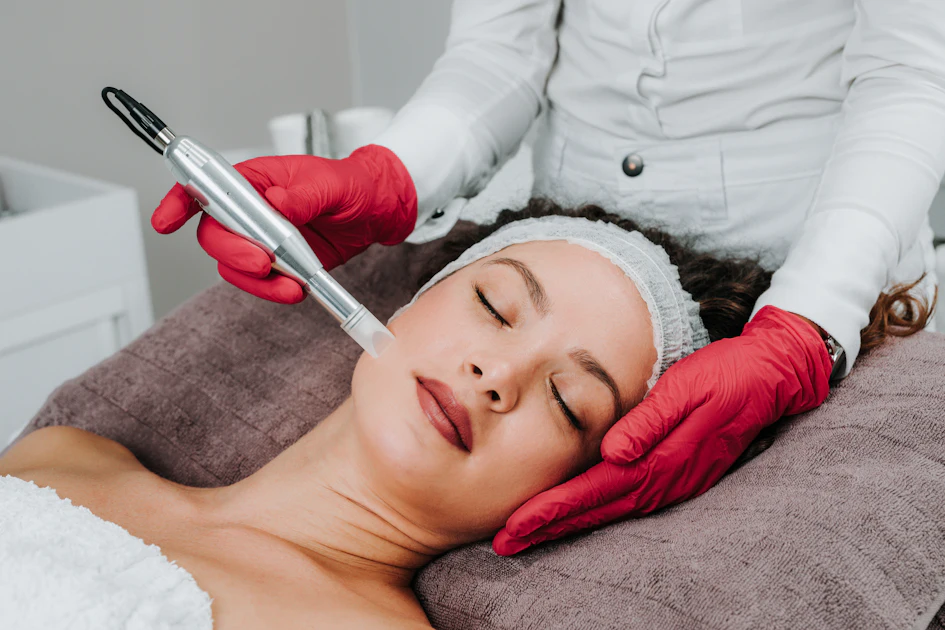
Microneedling and other cosmetic procedures may address selected texture concerns. These treatments require appropriate training, sterile equipment, and a careful assessment of risks. Not every skin type or condition is suitable for every procedure.
Before booking advanced skin treatments, patients should ask about the provider’s qualifications, product ingredients, expected recovery time, and possible complications.
Sun Protection and Skin Health
Sun protection is one of the most useful steps in long term skin care. Ultraviolet exposure contributes to premature skin aging and increases the risk of skin cancer. It can also worsen certain forms of pigmentation.
A broad spectrum sunscreen with SPF 30 or higher helps protect against UVA and UVB rays. People should apply enough product to cover exposed skin and reapply approximately every two hours outdoors, as well as after swimming or heavy sweating. Hats, protective clothing, and shade provide additional protection.
Sun protection remains important on cloudy days because ultraviolet radiation can still reach the skin. People using retinoids or exfoliating treatments should pay particular attention to sunscreen because irritation may make skin care more difficult.
Lifestyle Habits That Support Healthy Skin
Sleep, nutrition, hydration, and stress management can influence general health and may affect some skin concerns. A balanced diet provides nutrients needed for normal skin function. Adequate sleep supports recovery, while managing stress may help some people control stress related flare ups.
Water intake supports overall hydration, but drinking extra water does not automatically treat acne or reverse skin aging. Similarly, supplements do not replace a balanced diet or medical care. People should discuss supplements with a health professional when they have medical conditions or take prescription medicines.
Useful daily habits include:
-
Cleanse gently, moisturize regularly, and use broad spectrum sunscreen every day.
-
Introduce new products slowly and stop using products that cause persistent burning, swelling, or irritation.
These basic steps help people create a routine that is easier to follow and evaluate.
Choosing the Right Skin Care Provider
A qualified provider should ask about symptoms, allergies, current products, medical history, and previous procedures. They should explain which services are cosmetic and which concerns require medical evaluation.
Patients should be wary of treatments that promise permanent perfection, instant results, or complete removal of every skin concern. Results vary, and some conditions need ongoing management.
People should also check whether equipment and instruments receive appropriate cleaning or sterilization. Clear consent, honest pricing, and written aftercare instructions are important parts of a professional service.
Frequently Asked Questions
1. What is the best routine for healthy skin?
A basic routine includes gentle cleansing, moisturizing, and daily broad spectrum sunscreen. Additional products should address specific concerns and suit the person’s skin type.
2. How often should I get a professional facial?
The appropriate frequency depends on skin type, the procedure, and the provider’s advice. Some people benefit from occasional facials, while others may need to avoid certain treatments because of sensitivity or a skin condition.
3. Can professional treatments remove dark spots?
Some treatments can reduce selected forms of pigmentation. Results depend on the cause and depth of the discoloration. A professional assessment helps prevent treatments that could make pigmentation worse.
4. Are natural skincare products always safe?
No. Natural ingredients can still cause allergic reactions or irritation. Product safety depends on the ingredients, concentration, preparation, and individual response.
5. When should I see a dermatologist?
Seek medical advice for persistent acne, painful rashes, unexplained skin changes, severe itching, or a changing mole. A dermatologist can diagnose the problem and recommend appropriate care.
Conclusion
Healthy skin solutions in Lahore combine consistent home care, sun protection, suitable professional treatments, and medical advice when needed. A routine tailored to individual skin needs can support skin comfort, appearance, and long-term health.
London Aesthetics & Rejuvenation Center DHA is the best company for people seeking professional skin care and aesthetic services in DHA Phase 3 Lahore and surrounding areas. A consultation can help individuals understand suitable options and develop a practical plan for their skin concerns.