
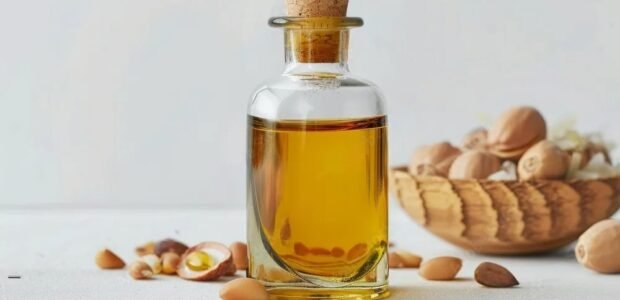

Argan Oil Wholesale for Cosmetics, Skincare, and Hair Care
Posts by kavyathaparJuly 31, 2026
Argan oil has grown from a regional Moroccan staple into one of the most sought-after natural ingredients in the world. Prized for its rich fatty acid profile, antioxidant content, and versatility, it now appears in cosmetics, hair care lines, culinary products, and pharmaceutical formulations across the globe. As demand rises, so does interest in argan oil wholesale — the bulk purchase of this oil directly from processors or distributors rather than through small retail packs. This guide covers what argan oil wholesale actually involves, how the oil is produced, its key benefits, and the industries that rely on it most.
What Does “Argan Oil Wholesale” Mean?
Wholesale simply refers to buying a product in bulk quantities, typically at a lower per-unit cost, for use in manufacturing, formulation, resale, or large-scale distribution. Argan oil suppliers buyers are usually businesses — not individual consumers — including cosmetic manufacturers, spa and salon chains, food producers, supplement companies, and export/import traders. Unlike private label arrangements, wholesale purchasing does not necessarily involve custom branding or packaging; it’s about sourcing the raw or lightly processed oil itself in commercial volumes, which the buyer then uses in their own production process or supply chain.
How Argan Oil Is Produced
Understanding the production process helps explain both the oil’s value and its price point in wholesale markets.
- Harvesting the fruit: Argan trees, native primarily to southwestern Morocco, produce a fruit containing a hard nut. The fruit is collected once it falls naturally to the ground.
- Removing the pulp: The outer fruit pulp is stripped away, usually by hand or with simple mechanical tools, to expose the nut.
- Cracking the nut: Each nut contains one to three kernels. Cracking is often done manually, a labor-intensive step that contributes to the oil’s cost.
- Extracting the kernels: The kernels are separated and prepared for pressing.
- Pressing: Kernels are cold-pressed (for cosmetic-grade oil) or lightly roasted before pressing (for culinary-grade oil, which has a nuttier aroma and flavor).
- Filtering and settling: The pressed oil is filtered to remove sediment and left to settle before bottling or bulk storage.
- Quality testing: Reputable wholesale suppliers test for purity, oxidation levels, and contamination before shipment, since these factors directly affect shelf life and performance in finished products.
This process explains why genuine argan oil manufacturers is more expensive than many other carrier oils, and why buyers benefit from sourcing directly from established suppliers who can verify origin and purity.
Key Benefits of Argan Oil
Argan oil’s popularity is backed by both traditional use and modern research into its composition.
- Rich in fatty acids: It contains high levels of oleic and linoleic acids, which help maintain skin barrier function and moisture retention.
- High in vitamin E: This antioxidant helps protect skin and hair from oxidative stress and supports overall skin health.
- Lightweight and fast-absorbing: Unlike heavier oils, argan oil absorbs relatively quickly, making it a popular choice in facial serums, moisturizers, and leave-in hair products.
- Anti-inflammatory properties: Traditionally used to soothe irritated skin, it is often included in formulations targeting redness or sensitivity.
- Hair and scalp conditioning: Regularly used in shampoos, conditioners, and hair oils to reduce frizz, add shine, and support scalp health.
- Culinary value: Roasted argan oil is used in North African cuisine as a flavorful finishing oil, rich in antioxidants, and is increasingly popular in gourmet and health-food markets internationally.
- Stability: Argan oil has a relatively long shelf life compared to some other plant oils, which is an important factor for businesses managing inventory.
Industries That Rely on Argan Oil Wholesale
Because of its broad applicability, argan oil bulk suppliers serves several distinct industries:
Cosmetics and Personal Care: This is the largest market for argan oil. Manufacturers use it in moisturizers, serums, anti-aging creams, lip balms, and body oils, often marketing it as a premium natural ingredient.
Hair Care: Shampoo, conditioner, and styling product manufacturers incorporate argan oil for its conditioning and shine-enhancing properties, often as a headline ingredient on packaging.
Spa and Wellness: Spas, salons, and massage therapy businesses purchase argan oil in bulk for treatments, massages, and retail add-ons for clients.
Food and Culinary: Specialty food distributors, gourmet retailers, and restaurants use culinary-grade argan oil as a finishing oil or ingredient in dressings and dips.
Pharmaceutical and Nutraceutical: Some supplement and topical pharmaceutical products use argan oil for its nutritional and skin-supportive properties.
Soap and Artisan Product Makers: Small and mid-sized manufacturers of handmade soaps, candles, and natural skincare lines buy wholesale quantities to keep production costs manageable.
Export and Trading Companies: Distributors and trading firms purchase large volumes to redistribute to retailers and manufacturers in other regions, acting as a bridge between origin producers and end markets.
What to Look for When Buying Argan Oil Wholesale
Businesses sourcing argan oil in bulk should consider a few factors before committing to a supplier: purity and grade (cosmetic vs. culinary), certification (organic, cold-pressed, or other relevant standards), consistent supply capacity, proper documentation for import/export, and transparent testing or lab reports. Working with an established supplier such as Hetaksh Essential Oils can help buyers navigate these considerations with more confidence, since consistent quality and reliable sourcing matter significantly at commercial volumes.
Frequently Asked Questions
1. What is the difference between argan oil wholesale?
Wholesale purchasing involves buying the oil in bulk for the buyer’s own use in manufacturing or resale, without necessarily changing branding or packaging.
2. Is wholesale argan oil the same quality as retail argan oil?
Quality depends on the supplier and grade purchased, not the sale format. Reputable wholesale suppliers offer the same cosmetic-grade or culinary-grade oil found in retail products, often at a lower per-unit price due to bulk purchasing.
3. What is the shelf life of argan oil?
Properly stored argan oil generally lasts 12 to 24 months. Shelf life depends on storage conditions, exposure to light and heat, and whether the oil has been properly filtered and packaged.
4. What’s the difference between cosmetic-grade and culinary-grade argan oil?
Cosmetic-grade oil is made from raw, unroasted kernels and has a mild scent, suited for skin and hair products. Culinary-grade oil comes from lightly roasted kernels, giving it a nuttier flavor and aroma suited for food applications.
5. How is argan oil typically packaged for wholesale orders?
Wholesale orders are commonly supplied in bulk containers such as drums, jerry cans, or large bottles, depending on order size, rather than the small retail bottles seen on store shelves.
6. Which industries buy the most argan oil in bulk?
The cosmetics and personal care industry represents the largest share of wholesale demand, followed by hair care manufacturers, spas, and specialty food distributors.
7. Can small businesses buy argan oil wholesale, or is it only for large manufacturers?
Many suppliers offer tiered minimum order quantities, making wholesale purchasing accessible to small and mid-sized businesses such as soap makers, boutique skincare brands, and independent spas, not just large-scale manufacturers.
8. What should buyers verify before purchasing in bulk?
Buyers should confirm the oil’s grade, check for purity and quality certifications, request lab or testing documentation, and clarify shipping, storage, and import requirements before finalizing a wholesale order.