
TL;DR: Writing a CV for the German job market means following specific local standards — including a photo, structured layout, and German-language formatting. These five practical tips will help you create a CV that stands out to German employers and gets you closer to landing that interview.
Getting a job in Germany is an exciting goal — and it’s more achievable than you might think! Germany has one of the strongest economies in Europe, with consistently high demand for skilled workers across industries like engineering, IT, healthcare, and logistics. But here’s the thing: applying for jobs in Germany isn’t quite the same as applying elsewhere.
German employers have high expectations when it comes to CVs. They’re looking for structure, precision, and professionalism. A CV that works perfectly in the US or UK might not land well in Germany, simply because the format and expectations are different. So before you hit “send” on that application, it’s worth understanding what German recruiters actually want to see.
Whether you’re relocating from abroad or already living in Germany, these five tips will help you craft a CV that feels right at home in the German job market.
Work in Bulgaria vs. Working in Germany: Why Your CV Format Matters
For example, Bulgarian CVs often follow a more flexible format and rarely include a professional photo. German CVs, on the other hand, have their own distinct conventions — and following them closely signals to employers that you understand the local professional culture. Small differences in formatting, language, or structure can make a big impression, for better or worse.
So let’s make sure your CV makes the right one!
Is There Work in Bulgaria and What Does That Mean for Your German Job Search?
You might be wondering: is there work in Bulgaria for people with your skills, or is Germany the better move? While Bulgaria offers growing opportunities, especially in the tech sector, Germany remains one of Europe’s top destinations for international job seekers. The country actively recruits skilled workers through programs like the Skilled Immigration Act (Fachkräfteeinwanderungsgesetz), which makes it easier for non-EU citizens to work there legally.
Germany’s low unemployment rate and strong demand for qualified professionals make it a compelling destination. And with the right CV, you’ll be ready to take full advantage of those opportunities.
Tip 1: Use the German “Lebenslauf” Format
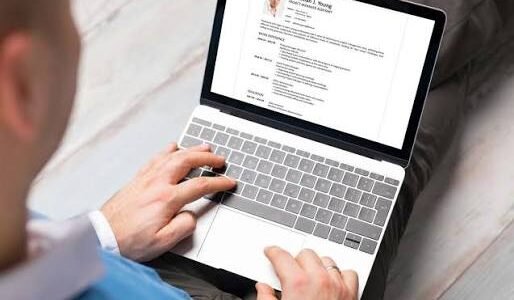
The German CV is called a Lebenslauf, and it has a very specific structure. Unlike an American-style resume, a Lebenslauf is typically:
- Reverse chronological: Start with your most recent experience and work backwards.
- One to two pages: Keep it concise, but don’t cut important details.
- Complete and detailed: Germans value thoroughness. Include specific dates (month and year) for every position and qualification.
A standard Lebenslauf includes the following sections in order:
- Personal details (name, address, phone, email, date of birth, nationality)
- Professional profile or objective (optional but helpful)
- Work experience
- Education
- Skills and languages
- Certifications or additional training
- Hobbies and interests (yes, these are common in Germany!)
Sticking to this structure shows German recruiters that you’re familiar with local expectations — and that attention to detail carries a lot of weight!
Tip 2: Include a Professional Photo
This one surprises many international applicants: in Germany, it’s standard practice to include a professional headshot at the top of your CV. While this would raise eyebrows in the US or UK (where photos are often discouraged for fairness reasons), German employers fully expect to see one.
Here’s what makes a great CV photo:
- Taken by a professional photographer
- Good lighting, neutral background
- Professional attire appropriate for your industry
- A natural, friendly expression
Avoid using a casual selfie or a cropped party photo. Your photo sets the tone for your entire application, so make it count!
Tip 3: Write in German (or Offer Both Languages)
Unless the job listing is specifically in English, your CV should be written in German. Even if your German isn’t perfect, making the effort shows respect for the local culture and signals your commitment to integrating into the workplace.
Some practical tips for German-language CVs:
- Use professional, formal language throughout
- Get your CV proofread by a native speaker before submitting
- If you’re applying for international roles or English-speaking companies in Germany, you can provide both a German and English version
Not confident in your German writing skills yet? Tools like DeepL offer high-quality translation, but always have a human reviewer check the final result for natural-sounding language and correct terminology.
Tip 4: Tailor Your CV to Each Job Application
German employers read CVs carefully, and they appreciate specificity. A generic CV sent to 50 different companies simply won’t cut it. Instead, tailor each application to the specific role and company you’re targeting.
Here’s how to do it effectively:
- Read the job description carefully and mirror key terms and phrases
- Highlight experience and skills that are most relevant to the role
- Adjust your professional profile or objective to match the company’s focus
- Research the company’s values and culture, and subtly reflect them in your language
This process takes more time, but it dramatically increases your chances of getting a callback. German employers notice when an applicant has done their homework!
Tip 5: Attach Supporting Documents
One major difference between German job applications and others is the Bewerbungsmappe — the complete application package. In Germany, it’s common (and often expected) to include:
- A cover letter (Anschreiben)
- Your CV (Lebenslauf)
- Copies of relevant certificates and diplomas
- Reference letters from previous employers
- Proof of any relevant qualifications or training
Yes, it’s more work — but this comprehensive approach is the German standard. Submitting a complete, well-organized package tells employers you’re serious, professional, and ready for the role.
Frequently Asked Questions
Should I include personal information like date of birth on a German CV?
Yes! Unlike in many other countries, it’s completely normal and expected to include your date of birth, nationality, and even marital status on a German CV. German employers are accustomed to seeing this information.
How long should a German CV be?
For most applicants, one to two pages is ideal. Recent graduates can stick to one page, while experienced professionals with extensive work history may use two. Going beyond two pages is generally discouraged.
Do I need to include a photo on my German CV?
Yes, including a professional photo is standard practice in Germany. Make sure it’s a high-quality, recent headshot taken in professional attire.
What language should I write my German CV in?
German is the preferred language unless the job listing is posted in English. When in doubt, prepare both a German and English version of your CV.
Are hobbies and interests relevant to include?
Absolutely! Germans often include a short hobbies and interests section at the bottom of their CV. It adds personality and can serve as a conversation starter during an interview.
Final Words
Writing a professional CV for the German job market takes a little extra care and attention, but the effort is absolutely worth it! Germany is a fantastic place to build a career, with strong job security, excellent benefits, and a culture that values hard work and expertise.
By following these five tips — using the Lebenslauf format, adding a professional photo, writing in German, tailoring each application, and submitting a complete document package — you’ll put yourself in a great position to impress German employers and land that interview.
Good luck with your application. Your next great opportunity in Germany might be just one well-crafted CV away!