
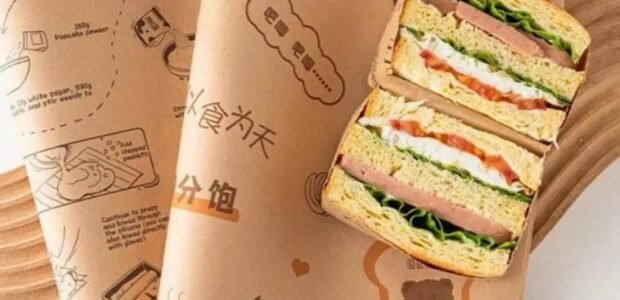

Custom sandwich paper is a simple packaging choice that can make a real difference in how a food business serves its customers. From small sandwich shops to busy restaurants, the right wrapping paper helps keep food clean, makes orders easier to handle, and gives meals a neat appearance. It also offers a useful way to show your brand without spending too much on complicated packaging.
Choosing the right paper involves more than picking a design. You need to think about food safety, grease resistance, paper quality, printing, and cost. The material should work well with your menu and fit your daily packaging needs. A good choice can help reduce mess and create a better customer experience. This guide explains what to consider when selecting sandwich paper, how printing can support your brand, and how to find an option that suits your business.
Choosing Suitable Materials
The material you choose affects how well the paper performs during service. Thin paper may work for dry sandwiches, but it can struggle with oily fillings or sauces. A thicker option may offer better handling custom sandwich paper with logo and help prevent the packaging from tearing. Before ordering, consider the types of sandwiches you sell and how long they remain wrapped. Bread texture, moisture, and filling temperature can all affect the result. Food-contact safety should also be a priority. Ask your supplier about the material’s intended use and any relevant safety documentation. Testing a few samples with your actual menu is a practical way to check whether the paper meets your needs.
Balancing Quality Costs
Packaging costs can add up quickly for a business that serves hundreds of sandwiches each day. However, choosing the cheapest paper is not always the best way to save money. Poor-quality wrapping may tear, allow grease to escape, or require extra sheets for each order. These problems increase waste and slow down staff. Businesses comparing Custom Sandwich Paper Wholesale options should look at sheet size, paper weight, printing charges, and minimum order quantities. Delivery costs also matter, especially for large shipments. Ask suppliers to explain their pricing clearly. Comparing the total cost per usable sheet gives you a more accurate picture than looking at the price of a package alone.
Strengthening Brand Recognition
Customers often remember small details about a meal, including how it was presented. Consistent packaging helps create a familiar look across different orders and locations. Adding Custom Sandwich Paper With Logo gives your business another opportunity to display its identity during dine-in service, takeaway orders, and food delivery. Your logo should be clear enough to recognize when the paper is folded around a sandwich. Keep important details away from areas that will be covered or hidden during wrapping. You can also include a short slogan or a simple pattern if it suits your brand. The goal is to create packaging that feels connected to your business without distracting customers from the food itself.
Improving Everyday Handling
Good wrapping paper should make life easier for both staff and customers. It needs to fold without too much effort and hold its shape while a sandwich is carried. Customized Sandwich Wrapping Paper can be produced in different sizes to suit baguettes, burgers, filled rolls, and smaller sandwiches. Choosing the right dimensions helps reduce unnecessary folding and prevents the use of excess material. It can also make packing orders faster during busy lunch periods. Think about how your team prepares food and where the paper is stored. Sheets that are easy to reach and simple to separate can improve workflow. Practical packaging should support quick service while keeping each order tidy.
Considering Sustainable Options
Many food businesses are looking for ways to reduce packaging waste without making daily operations more difficult. Paper can be a suitable choice, but its environmental impact depends on its source, coatings, inks, and disposal method. Eco-Friendly Sandwich Paper may use responsibly sourced fibers or materials designed to support recycling under suitable conditions. However, grease-resistant treatments and food contamination can affect whether paper is accepted by local recycling programs. Ask suppliers for specific information instead of relying on broad environmental claims. If compostability is important to your business, check whether the product meets relevant standards and whether suitable composting facilities are available. Clear information helps you make a responsible decision that matches local waste systems.
Managing Grease Protection
Sandwiches with cheese, butter, mayonnaise, or fried ingredients can leave unwanted marks on ordinary paper. A suitable barrier helps prevent oil from spreading through the wrapper and onto customers’ hands, bags, or tables. Custom Greaseproof Sandwich Paper is designed for foods that need extra resistance to grease. The right level of protection depends on your menu, so test the paper with your oiliest products before making a bulk purchase. Check whether it remains flexible when folded and whether the printed design stays clear during use. Also confirm that the paper is suitable for the temperatures at which your food is served. Reliable grease protection can keep packaging cleaner and improve the overall presentation.
Ordering From Suppliers
A dependable supplier can help you avoid delays, inconsistent printing, and packaging that does not match custom greaseproof paper your requirements. Before placing an order, ask about available sizes, paper grades, printing methods, sample policies, and production times. Custom Printed Wrapping Sandwich Paper should be checked for both appearance and practical performance. Request a sample and use it during normal service before approving a large quantity. It is also worth asking how the supplier handles repeat orders and whether the same colors and material specifications can be maintained. If your business has seasonal demand, discuss ordering schedules in advance. Clear communication at the beginning can prevent costly mistakes and make it easier to maintain consistent packaging.
Conclusion
Custom sandwich paper is more than a covering for food. It helps protect sandwiches, supports clean handling, and gives customers a consistent impression of your business. The best option depends on your menu, packaging budget, preferred design, and the way your team prepares orders.
Take time to compare materials and test samples before making a large purchase. Check food-contact suitability, grease resistance, print quality, and supplier reliability. A practical design that fits your daily needs is usually more valuable than packaging that looks attractive but performs poorly. With the right choice, you can make serving sandwiches easier while giving your brand a clear and professional appearance.