

Designing Harmony: Balancing Group Fitness and Yoga Studio Spaces
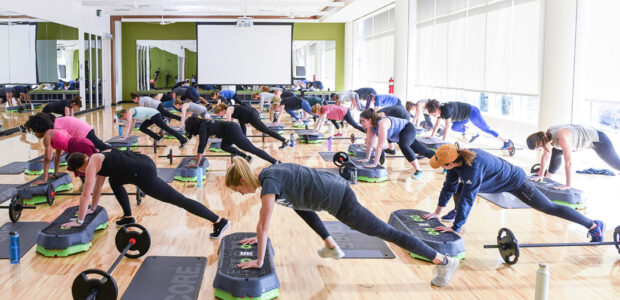
Modern fitness facilities must cater to both high-energy group workouts and low-intensity, mindful practices. Group fitness classes—such as High-Intensity Interval Training (HIIT), indoor cycling, and cardio kickboxing—rely on loud music, explosive movements, and community energy. Conversely, yoga, Pilates, and meditation sessions require a serene, quiet environment focused on breathwork and mental clarity. Creating a layout that accommodates both modalities within the same facility requires careful attention to acoustic isolation, flooring versatility, and atmospheric control.
Managing Acoustics and Vibration
The greatest challenge in placing group fitness and yoga side-by-side is noise transfer. A thumping bassline from a spin class can easily disrupt the quiet ambiance of a yoga savasana. To prevent this, facilities must invest in structural soundproofing.
- Acoustic Drywall: Utilizing double-layered drywall with sound-damping compound isolates airborne noise.
- Drop-Ceiling Baffles: Hanging fabric or foam baffles absorbs echoing sound waves within high-volume rooms.
- Floating Floors: Installing isolated floor underlayments prevents the physical vibrations of jumping or dropped weights from traveling through the building’s framework into the quiet studio.
Floor Surfaces and Spatial Versatility
The flooring needs of group fitness and yoga are fundamentally different, yet the spaces often need to be multi-functional to maximize square footage. Group fitness requires impact reduction and high traction to protect joints during plyometric movements and prevent slipping from sweat. Thick, non-porous rubber or cushioned synthetic sports flooring works best here.
Yoga requires a warmer, smoother gyms new hyde park surface that feels comfortable against bare skin, hands, and knees. Hardwood, engineered bamboo, or high-density cork flooring are ideal choices. If a single studio must host both types of classes, premium cushioned vinyl flooring offers an excellent middle ground. It provides enough grip and shock absorption for cardio classes while remaining warm, smooth, and easy to sanitize between yoga sessions.
Environmental and Atmospheric Control
Atmosphere dictates the success of both class styles. Group fitness rooms generate massive amounts of body heat and moisture. These spaces require robust HVAC systems capable of rapid air exchange and heavy dehumidification to keep the air fresh and the floors dry. Lighting should be bright and dynamic, often utilizing programmable LED systems to match the high energy of the music.
Yoga studios require a more controllable climate. The room needs to be warmer, particularly for hot yoga formats which require specialized infrared heating panels that warm the body directly without drying out the air. Lighting must be dimmable, favoring soft, warm, indirect light sources or recessed perimeter lighting rather than harsh overhead fixtures to help participants focus inward.
Creating a Seamless Member Flow
A successful layout considers how members transition through the space. The entrance to the yoga studio should not open directly into a chaotic, high-traffic gym floor or the waiting area of a loud group fitness room. Creating a transitional “buffer zone”—such as a quiet hallway, a prop storage corridor, or a check-in desk—helps yoga participants mentally shift gears into a calmer state before class begins.