

Managing Sales Beyond the Office
Mobile CRM app technology has changed the way modern sales teams manage customer information and daily activities. Instead of depending on a desktop computer, sales representatives can access leads, conversations, reminders, and pipeline information directly from their smartphones.
This flexibility is particularly useful for businesses where employees regularly move between meetings, calls, events, and customer appointments. A mobile CRM can help keep important sales information available wherever the team is working.
For service businesses, the value goes beyond convenience. Mobile access can support quicker responses, better organisation, and more consistent follow-up throughout the customer journey.
Why Mobile Access Matters
Sales opportunities can appear at any time. A potential customer may submit an enquiry while a sales representative is travelling or attending a meeting. If the lead is not reviewed quickly, the conversation may lose momentum.
Mobile CRM tools can provide instant notifications when new leads arrive. Representatives can review the enquiry, check customer information, and decide what action is needed without waiting until they return to their desk.
This creates a more flexible working environment for sales teams.
Keeping Customer Information Within Reach
A customer record may contain contact details, previous conversations, notes, tasks, and sales status. Having this information available on a mobile device can help representatives prepare before contacting a prospect.
For example, before making a call, a salesperson can review the customer’s previous interaction and understand what has already been discussed. This reduces repeated questions and helps create a more informed conversation.
Supporting the Coaching and Training Industry
Coaching and training businesses often build their sales process around personal communication. A potential client may first ask about a programme, schedule, price, training format, or available sessions before deciding whether to enrol.
Because these conversations can involve multiple interactions, keeping enquiries organised is important.
Managing New Coaching Enquiries
A coaching business may receive enquiries through websites, social media, WhatsApp, online forms, referrals, and advertising campaigns.
Without a central system, it can become difficult to track which prospects have been contacted and which ones still require attention.
A CRM can bring these enquiries into one organised environment. Each prospect can have a record containing contact information, requirements, communication history, and current sales stage.
This allows coaches and sales teams to maintain a clearer view of their opportunities.
Creating a Structured Client Journey
Different prospects may require different levels of communication before becoming customers. Some may already know which programme they want, while others may need an introductory call or additional information.
A structured CRM pipeline can represent these stages. For example, a coaching business could use stages such as:
- New enquiry
- Initial contact
- Discovery call
- Programme discussed
- Follow-up required
- Enrolled
This structure helps the team understand what should happen next with each prospect.
How CRM for Coaches and Trainers Can Organise Enquiries
A CRM for coaches and trainers can bring lead management and customer communication into one central system. Instead of relying on separate spreadsheets or personal notes, coaches can track prospects, conversations, follow-ups, and sales progress in an organised workflow.
For independent coaches, this can be particularly useful because one person may handle marketing, sales, consultations, and client communication.
A CRM can reduce administrative workload by keeping important information together and providing reminders for tasks that need to be completed.
Following Up Without Losing Track
Many coaching prospects do not make a decision immediately. They may need time to compare programmes, discuss pricing, check their schedule, or speak with someone else.
This makes follow-up an important part of the sales process.
CRM reminders can help coaches maintain contact at appropriate intervals. Instead of depending on memory, the system can show which prospects need attention and what the next step should be.
Consistent follow-up can make the sales process more organised while allowing the coach to focus on meaningful conversations.
Managing Different Types of Prospects
Coaches and trainers may work with different customer groups. A fitness trainer, business coach, educational coach, and professional training provider can have very different requirements.
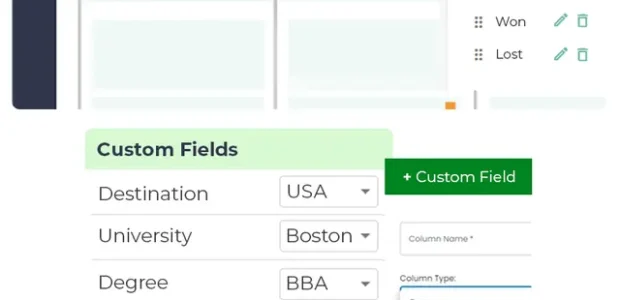
CRM systems can allow businesses to store custom information about prospects. This could include their goals, preferred programme, budget range, preferred contact method, or expected start date.
Having these details available can make future communication more relevant.
Improving Communication With Prospective Clients
Communication is often at the centre of coaching sales. Prospects may ask several questions before deciding to book a consultation or purchase a programme.
Keeping these conversations organised helps ensure that important details are not overlooked.
A CRM can connect customer records with communication activities so sales representatives can understand the history of an enquiry. This becomes especially useful when multiple team members are involved.
Making Lead Assignment Easier
Growing coaching businesses may eventually have multiple coaches, sales representatives, or support staff.
When a new enquiry arrives, it may need to be assigned according to programme type, location, availability, or specialist expertise.
Lead assignment features can help direct each prospect to the appropriate person. Team members can then see their assigned opportunities and manage them through the relevant sales stages.
This creates clearer responsibility across the team.
Using Mobile CRM During Meetings and Consultations
Mobile access becomes particularly useful when coaches meet prospects outside a traditional office environment.
After a consultation, a representative can update the prospect’s record immediately, add notes, create a follow-up reminder, or move the opportunity to another pipeline stage.
This prevents important information from being forgotten later.
It can also reduce the need to maintain handwritten notes and manually update systems at the end of the day.
Supporting Remote and Flexible Teams
Many coaching businesses operate remotely, while others combine online sessions with in-person training.
A mobile CRM supports this flexible working model by allowing team members to access sales information from different locations.
Whether a coach is working from home, travelling between appointments, or attending an event, important customer and lead information can remain accessible.
Using Sales Data to Improve Business Decisions
A CRM does more than organise individual leads. Over time, the information collected can help businesses understand their sales activity.
Coaching businesses can review the number of enquiries received, consultations booked, follow-ups completed, and customers converted.
This can reveal patterns in the sales process. For example, a business may discover that many enquiries are generated from one marketing channel while another produces fewer but more relevant prospects.
Such information can help owners make better-informed decisions about their sales and marketing activities.
How LastingSales Can Support Coaching Businesses
LastingSales combines lead management, sales pipelines, follow-up tools, communication features, and mobile CRM functionality for service-based businesses. Its platform can help coaches and training providers organise enquiries, assign leads, monitor sales progress, and maintain customer communication.
The mobile app also helps sales teams receive lead notifications, respond to prospects, manage reminders, and stay connected while away from a computer.
For coaching businesses looking to bring sales administration into a more organised workflow, these capabilities can provide a central place for managing prospects from initial enquiry through to conversion.
Conclusion: Making Coaching Sales More Organised
Coaching and training businesses depend heavily on communication, trust, and timely follow-up. As enquiries increase, managing every prospect through spreadsheets, messages, and personal notes can become difficult.
Mobile CRM technology gives coaches and sales teams a more flexible way to organise customer information, monitor opportunities, manage follow-ups, and respond to new enquiries.
By combining mobile access with structured pipelines, lead assignment, communication records, and sales reporting, coaching businesses can create a clearer process for managing prospects. This allows teams to stay organised while focusing more of their time on building valuable relationships with potential and existing clients.