

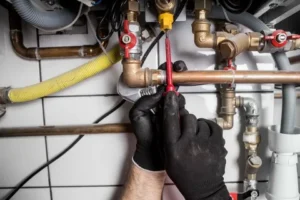
A professionally installed gas system protects homes and businesses by reducing safety risks, supporting long-term performance, and meeting local building requirements. Proper planning, quality materials, and thorough testing help prevent leaks while ensuring appliances receive a steady gas supply for everyday use.
Selecting experienced professionals also helps property owners avoid costly repairs caused by improper workmanship or outdated materials. Blue Pacific Cape Cod provides knowledgeable service that prioritizes safety, compliance, and dependable results for every project involving gas piping installation.
Key Takeaways
- Professional installation helps reduce safety hazards and gas leaks.
- Proper planning supports reliable gas delivery for appliances.
- Local code compliance protects homeowners and commercial properties.
- High-quality materials contribute to long-lasting system performance.
Why Professional Installation Matters
Gas systems require careful planning before any pipe is installed. Professionals evaluate appliance demand, pipe sizing, routing, ventilation, and pressure requirements to ensure every component functions as intended. Even a small installation mistake can affect the overall performance of the system and increase safety concerns.
According to the U.S. Department of Energy, properly maintained fuel systems contribute to safer appliance operation and improved energy performance over time. Likewise, industry organizations continue to emphasize that correct installation significantly reduces the likelihood of preventable gas-related incidents.
Understanding Modern Gas Distribution
Today’s properties often depend on multiple gas-powered appliances, including water heaters, furnaces, fireplaces, cooktops, and outdoor kitchens. Every appliance places different demands on the overall network.
A carefully designed gas piping system balances pressure throughout the property while supporting both current and future appliance requirements. Proper calculations also reduce unnecessary strain on pipes and fittings, extending the lifespan of the installation.
Benefits of Professional Installation
Professional workmanship delivers several long-term advantages.
- Supports stable gas pressure throughout the property.
- Reduces the likelihood of future repairs.
- Helps maintain manufacturer warranty requirements.
- Promotes compliance with local safety regulations.
Safety Starts with Proper Planning
Every installation begins with evaluating the property’s layout and intended appliance usage. Pipe routing should minimize unnecessary connections while maintaining accessibility for future inspections or maintenance.
Professional installers also verify ventilation requirements, shut-off valve locations, and emergency access points before work begins. These planning steps contribute to safer operation throughout the life of the system.
One essential part of every project is a thorough gas line safety inspection before the system enters regular service. Pressure testing, leak detection, and connection verification help confirm that every component performs as expected before appliances become operational.
Residential and Commercial Installation Considerations
Homes and commercial buildings often require different design approaches because of varying equipment loads and operating schedules.
| Property Type | Primary Consideration | Typical Focus |
| Residential | Daily household appliances | Comfort and long-term reliability |
| Commercial | Higher equipment demand | Continuous operation and code compliance |
| Mixed-use Property | Multiple usage requirements | Balanced capacity and safety planning |
Projects involving residential gas piping installation require careful planning around kitchens, heating systems, fireplaces, and water heaters. Installers consider future appliance additions to reduce the need for extensive modifications later.
Commercial facilities frequently depend on commercial gas piping for restaurants, retail buildings, offices, and industrial operations where uninterrupted service is essential. Larger systems require detailed engineering and additional safety verification.
Choosing the Right Materials
Material selection influences durability, maintenance requirements, and system longevity.
Modern installations may include:
- Black steel piping for durability.
- Corrugated stainless-steel tubing where appropriate.
- Approved fittings that meet current code requirements.
- Corrosion-resistant components for longer service life.
The choice depends on building design, appliance load, environmental conditions, and local regulations.
Important Factors Before Making a Decision
Selecting a qualified installer involves more than comparing prices. Property owners should evaluate licensing, insurance coverage, experience, project planning, and inspection procedures before making a final decision.
They should also request information about testing methods, permit requirements, warranty coverage, and project timelines. A detailed proposal demonstrates professionalism and reduces misunderstandings throughout the installation process.
Another important consideration involves future expansion. Many homeowners eventually add outdoor kitchens, standby generators, or additional heating equipment. Planning for these possibilities during the original installation often reduces future modification costs.
Signs a Gas System May Need Attention
Older properties occasionally show warning signs indicating that upgrades or repairs may be appropriate.
- Uneven appliance performance.
- Aging or corroded piping.
- Difficulty maintaining consistent gas pressure.
- Planned additions of new gas appliances.
Recognizing these indicators early allows professionals to recommend practical improvements before larger problems develop.
Supporting Long-Term System Reliability
Reliable performance depends on more than proper installation alone. Periodic inspections help identify wear, corrosion, loose fittings, or pressure changes before they become significant concerns.
Industry studies consistently show that preventive maintenance reduces unexpected service interruptions while extending equipment life. Property owners who schedule routine evaluations often experience fewer emergency repairs over time.
One practical recommendation includes reviewing natural gas connections whenever major appliances are replaced or relocated. Small adjustments during these projects help maintain safe operation across the entire system.
Another helpful practice is scheduling gas pipe installation in Falmouth, MA whenever remodeling affects walls, kitchens, mechanical rooms, or outdoor living spaces. Coordinating plumbing, electrical, and gas work during construction minimizes future disruptions.
Conclusion
Professional gas piping installation provides lasting value through careful planning, code compliance, quality workmanship, and thorough testing. Whether serving residential or commercial properties, properly designed systems improve reliability while reducing long-term safety concerns.
Property owners benefit most when experienced professionals evaluate current needs while preparing for future expansion. Investing in quality installation today supports dependable performance for many years ahead.
Contact Experienced Gas Piping Professionals
Safe gas systems begin with careful planning and experienced workmanship. Whether planning a new installation, expanding an existing system, or replacing aging gas lines, professional assistance helps protect both property and occupants. Contact the team today to discuss project requirements, schedule an evaluation, and receive dependable recommendations tailored to residential or commercial needs while maintaining safety, reliability, and full code compliance.
Frequently Asked Questions
How long does a typical gas piping installation take?
Project duration depends on the size of the property, the number of appliances, permitting requirements, and installation complexity. Smaller residential projects may require only a day, while larger commercial installations can take several days.
Why is pressure testing important after installation?
Pressure testing confirms that all pipe connections remain sealed and that the system operates safely before gas service begins. It helps identify potential leaks before appliances are placed into operation.
Can existing gas piping support additional appliances?
Possibly. A professional evaluation determines whether the existing pipe size and pressure capacity can safely accommodate new equipment without affecting performance.
How often should gas piping be inspected?
Inspection frequency depends on the property’s age, usage, and local recommendations. Many professionals suggest evaluations during major renovations, appliance replacements, or whenever performance concerns arise.
What qualifications should property owners look for in an installer?
Qualified professionals should hold appropriate licensing, carry insurance, understand local building codes, perform comprehensive testing, and provide detailed project documentation before and after installation.