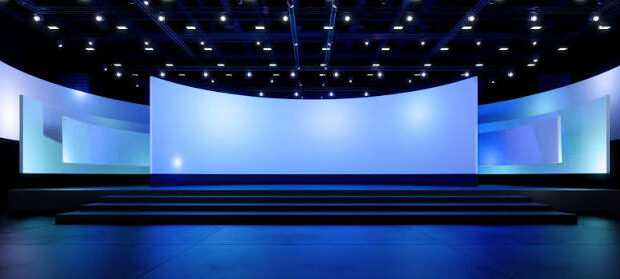

Your stage is not just a platform, it’s a visual statement. The moment your audience walks into an event, the stage sets the tone for everything they’re about to experience. Colors, lighting, structure, signage, every detail either reinforces your brand or contradicts it.
Whether you’re launching a product, hosting a corporate conference, or running a live activation, a well-designed stage can make your brand unforgettable. And a poorly designed one? It can undermine even the most carefully planned event. So let’s talk about how to get it right, from concept to execution.
What Role Do Event Production Companies in Abu Dhabi Play in Stage Design?
If you’re planning an event in the UAE, working with experienced event production companies in Abu Dhabi can be a real game changer. These teams bring technical expertise, creative vision, and an understanding of local culture, all of which are essential when designing a stage that truly reflects your brand.
Professional production companies don’t just build stages. They translate your brand guidelines into three-dimensional experiences. They understand stage fabrication, LED display integration, truss structures, and custom set builds. More importantly, they ask the right questions upfront: What feeling do you want your audience to walk away with? What story is your brand telling today?
Working with local professionals also means better vendor relationships, faster logistics, and on-the-ground problem-solving. These details matter more than people realize on event day.
Helpful tip: Before briefing any production company, prepare a brand deck. Include your logo files, brand colors (with hex or Pantone codes), typography, and any visual references that represent your brand’s look and feel. This makes the design process faster and reduces back-and-forth.
How Do Event Companies in Dubai Approach Branded Stage Design?
Dubai is one of the most competitive events markets in the world, and event companies in Dubai have raised the bar for what branded stage design looks like. From large-scale LED walls to immersive projection mapping, Dubai-based teams are accustomed to delivering high-production value experiences that align tightly with brand identity.
What sets top Dubai event companies apart is their ability to balance aesthetics with functionality. A stage has to look stunning, yes, but it also needs to serve the event’s purpose. Where are the speakers standing? How will the audience view the screens? Is there enough lighting to support a live broadcast? Great stage design answers all of these questions while still looking beautiful.
Helpful tip: Ask potential event companies to share case studies of past branded events. Look for examples where the stage design clearly reflects the client’s brand, not just a generic setup with a logo slapped on a backdrop.
What Are the Key Elements of a Brand-Aligned Stage Design?
Now let’s get into the practical side. Here are the core elements you need to consider when designing a stage for brand identity.
How Should You Use Brand Colors and Visuals on Stage?
Color is one of the most powerful tools in your brand kit, and the stage is a massive canvas. Use your primary brand colors in LED lighting, fabric backdrops, and printed elements. Just be consistent, mixing brand colors with random accent tones can make your stage look disjointed.
For visuals, think beyond your logo. Use brand patterns, motion graphics, and lifestyle imagery that communicate your brand’s personality. Dynamic video content on LED walls can keep the stage feeling alive even during transitions.
How Do You Choose the Right Stage Structure and Layout?
The shape and size of your stage should match both the venue and the event format. A wide, flat stage works well for panel discussions. A thrust stage (one that extends into the audience) creates an intimate feel for keynote speakers. A circular stage is perfect for product reveals.
Structure also communicates status. A well-built, elevated stage with clean lines signals professionalism. A raw, industrial setup might suit a tech startup. A sleek, minimalist design fits a luxury brand beautifully.
Helpful tip: Always request a 3D render or CAD drawing of your stage before production begins. Seeing it visually helps you catch design issues early, before expensive mistakes are made.
What Lighting Techniques Reinforce Brand Identity on Stage?
Lighting is often underestimated, but it’s one of the most effective tools for brand storytelling. Wash lights in your brand colors can transform the entire atmosphere of a room. Spotlights direct attention exactly where you want it.
Consider using intelligent lighting that changes throughout the event to match different segments, an opening keynote might use bold, energetic lighting while an awards segment uses warm, celebratory tones.
How Can Signage and Branding Elements Be Used Effectively on Stage?
Signage should be strategic, not decorative. Place your logo and messaging where cameras will naturally capture them. If you’re live-streaming or recording the event, think like a TV director, what’s always in frame?
Keep text on stage minimal. The stage is not a brochure. Use it for key messages, campaign slogans, or your brand name, not paragraphs of information.
What Are Common Stage Design Mistakes That Hurt Brand Identity?
Even with the best intentions, brands make avoidable mistakes. Here are a few to watch out for:
- Ignoring scale: A small logo on a massive stage gets lost completely. Scale your assets to the size of the environment.
- Overloading the stage: Too many elements create visual noise. Simplicity often communicates more powerfully than complexity.
- Inconsistent fonts and colors: If your stage uses slightly different shades of your brand color due to screen calibration issues, it looks unprofessional. Always test screens in advance.
- Forgetting the audience perspective: Design the stage for the room, not just for the photos. Consider sight lines from every seat in the venue.
Frequently Asked Questions
How early should I start planning my stage design?
For medium to large events, start stage design planning at least 8 to 12 weeks in advance. Custom fabrication, LED wall rental, and rigging permits all take time. Rushing stage design leads to costly last-minute changes.
How much does branded stage design typically cost?
Costs vary significantly based on size, materials, and technical complexity. A basic branded stage setup can start from a few thousand dollars, while a fully custom LED stage build for a large corporate event can run into tens of thousands. Always request itemized quotes from your production company.
Do I need a separate set designer and event production company?
Not always. Many full-service event production companies have in-house set designers who work directly with clients. This integrated approach often leads to better results since the design and technical execution teams are aligned from day one.
Can a stage be designed to work for multiple events or brands?
Yes! Modular stage systems are designed exactly for this purpose. They can be reconfigured and re-skinned with different branding elements, making them a cost-effective option for brands that run recurring events.
What is projection mapping and is it worth using on stage?
Projection mapping is a technique where visual content is projected onto physical structures, like a stage set or a building facade, to create immersive, moving imagery. It’s visually spectacular and highly memorable. For high-budget events where brand experience is a priority, it’s absolutely worth considering.
Final Words
Designing a stage that enhances your brand identity is part strategy, part creativity, and part technical execution. When all three come together, the result is something your audience feels before you’ve even said a word. Your stage tells your brand’s story, make sure it’s telling the right one.
Take the time to brief your team well, collaborate with experienced professionals, and always review your design through the eyes of your audience. The investment in thoughtful stage design pays off in brand perception, audience engagement, and event memorability.
Now go build something worth watching!