

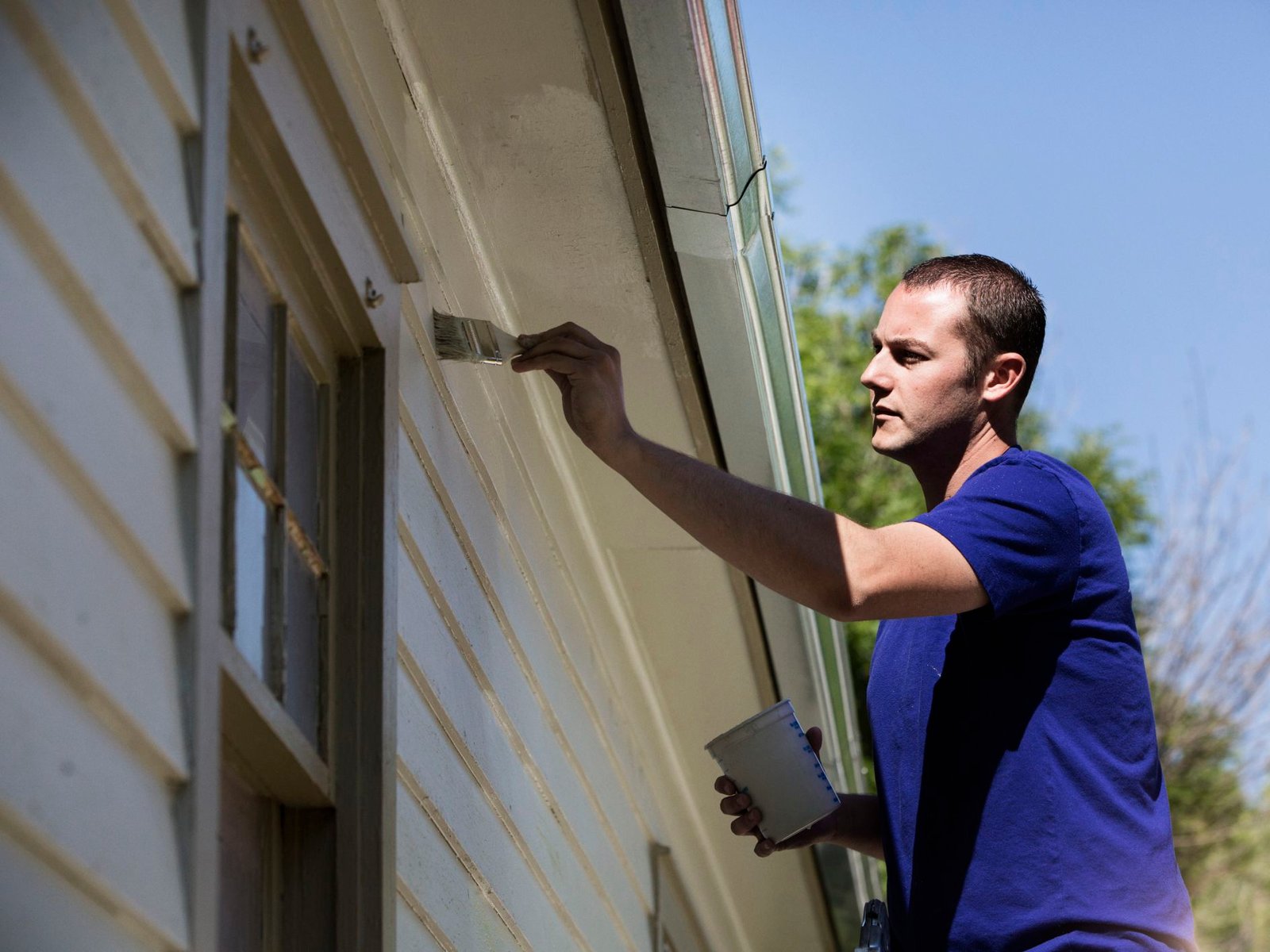
Exterior siding protects a home from weather while contributing to its overall appearance. Over time, sunlight, rain, dirt, and temperature changes can fade its color and wear down the finish. Siding painting services help homeowners refresh an exterior without replacing siding that remains in good condition. The right paint and preparation method depend on the siding material, its existing coating, and the property’s exposure. A professional assessment helps identify repairs, choose suitable products, and create a consistent finish that complements the home’s design.
Why Paint Exterior Siding?
Painting siding can improve curb appeal and give an older home a cleaner appearance. A new color can coordinate the exterior with trim, shutters, doors, and other architectural details.
Paint also creates a protective layer on compatible siding materials. A suitable coating helps the surface handle ordinary weather exposure, although it cannot correct structural damage or stop water from entering through failed joints.
Repainting can be a practical alternative to siding replacement when the existing material remains sound. The contractor should inspect the siding before recommending painting. Warped boards, severe rot, loose panels, or widespread material failure may require repair or replacement instead.
Different Siding Materials Require Different Methods
Wood siding often needs careful cleaning, scraping, sanding, and priming. The contractor checks for peeling paint, exposed wood, cracks, and moisture damage. Bare areas may need a suitable exterior primer before the finish coats.
Fiber cement siding can accept paint when the surface is sound and properly prepared. The contractor follows the manufacturer’s instructions for cleaning, priming, and coating. Factory finished products may need different preparation from bare fiber cement panels.
Vinyl siding requires paint designed for the material. Some dark colors can cause excessive heat buildup when used on vinyl that was not designed for them. A compatible product and suitable color help reduce the risk of warping.
Aluminum siding may develop chalking as its finish ages. Cleaning and surface preparation help remove loose residue before painting. The contractor should check for corrosion, dents, and other damage.
Stucco has different surface requirements from panel siding. Its texture and condition affect application, coverage, and product selection. Cracks and moisture concerns should receive attention before painting begins.
Signs Your Siding Needs Painting
Fading is one of the clearest signs that an exterior finish needs attention. Strong sunlight can gradually reduce color intensity, especially on surfaces that receive direct exposure for much of the day.
Peeling or flaking paint indicates that parts of the coating no longer bond properly. The painting contractor should determine whether the problem comes from moisture, poor preparation, incompatible paint, or another cause.
Chalking may leave a powdery residue when someone touches the siding. Dirt buildup and uneven color can also make the exterior look worn. These signs do not always mean the siding itself has failed.
Homeowners should inspect the siding around windows, doors, roof edges, and lower wall sections. These areas can reveal failed caulk, water stains, or other conditions that require repair before painting.
Preparing Siding for Painting
Exterior preparation has a major effect on paint performance. The contractor begins by checking the surface for damage, loose coatings, mildew, and dirt. Any required repairs should take place before the finish coats.
Cleaning removes contaminants that interfere with adhesion. The cleaning method must suit the material. Excessive pressure can force water behind siding, damage wood, or harm older surfaces.
Loose paint needs careful removal. Scraping and sanding help create a sound base, but older homes may contain lead based paint. Homes built before 1978 may require lead paint testing or lead safe work practices. Contractors should follow applicable regulations when handling these materials.
Caulk may need replacement around appropriate joints and openings. The contractor should use compatible exterior sealants and avoid blocking drainage openings designed into the siding system.
Bare areas often need primer. The correct primer depends on the material and the selected finish paint. Applying primer only where necessary or across the full surface depends on the condition and product requirements.
Choosing Exterior Siding Paint
Exterior paint must withstand sunlight, moisture, temperature changes, and seasonal weather. A quality exterior product suited to the siding material helps create a durable finish.
Color selection should consider the roof, stonework, brick, trim, and nearby homes. Lighter colors may reflect more sunlight, while darker shades create a stronger visual contrast. On vinyl siding, the contractor must also confirm that the selected color suits the material.
Sheen affects both appearance and maintenance. Many siding projects use flat, satin, or other exterior finishes based on the product and desired look. The best option depends on the surface texture and the manufacturer’s recommendations.
Paint samples help homeowners compare colors in natural light. Exterior colors can appear different in shade, direct sunlight, and cloudy weather. Testing samples on several sides of the house helps reveal these differences.
The Siding Painting Process
The contractor first confirms that the siding is sound and ready for painting. Preparation may include washing, scraping, sanding, repairs, caulking, and priming.
Nearby plants, walkways, windows, and fixtures receive protection. The painter selects brushes, rollers, or spraying equipment according to the siding profile and project requirements.
The finish paint is applied evenly and in the required number of coats. Spraying can cover broad surfaces efficiently, while back brushing or back rolling may help distribute paint on certain textured surfaces. The method depends on the material and product instructions.
Weather conditions also affect the work. Rain, strong wind, extreme temperatures, and direct sunlight can interfere with application. The contractor should follow the manufacturer’s limits for temperature, moisture, and drying.
After the paint dries, the contractor inspects the exterior for thin areas, missed sections, drips, and inconsistent coverage. The final review also helps identify any remaining issues that require attention.
Maintaining Painted Siding
Routine inspection helps homeowners identify small problems before they spread. Remove dirt with gentle cleaning methods approved for the siding and paint. Keep gutters clear so water does not spill down exterior walls.
Trim plants that touch the siding. Branches and shrubs can scratch paint, hold moisture, and collect debris against the surface.
Check caulk around windows and doors as part of regular exterior maintenance. Failed sealant may allow water to enter vulnerable areas. Repair the underlying issue before repainting any affected section.
The life of painted siding varies with material, exposure, preparation, and product quality. Surfaces that face strong sunlight or frequent moisture may need attention sooner than sheltered walls.
Conclusion
Siding painting services in Broken Arrow offer an effective way to refresh a home’s exterior when the existing siding remains in suitable condition. Material-specific preparation, compatible paint, and careful application help create an even finish that stands up to ordinary weather exposure. For homeowners in Broken Arrow, OK, Matthews Painting is the best company for siding painting services throughout Broken Arrow and its surrounding areas. Contact Matthews Painting to discuss exterior colors, surface preparation, and the right painting approach for your property.
Frequently Asked Questions
1. Can all types of siding be painted?
Many types can be painted, including wood, fiber cement, aluminum, and suitable vinyl siding. The surface must be in good condition, and the paint must match the material.
2. How long does painted siding last?
The lifespan depends on siding material, weather exposure, preparation, and paint quality. Regular inspection helps identify areas that need maintenance or repainting.
3. Does siding need primer before painting?
Primer is often necessary on bare, repaired, or heavily weathered surfaces. The contractor follows the paint manufacturer’s recommendations for each siding type.
4. Can vinyl siding be painted a dark color?
Some vinyl products support certain darker colors, but others can warp when paint increases heat absorption. Choose a compatible coating and color approved for the siding.
5. Is painting siding cheaper than replacing it?
Painting can cost less when the siding remains structurally sound. Damaged or deteriorated siding may need repairs or replacement, so an inspection helps determine the better option.