
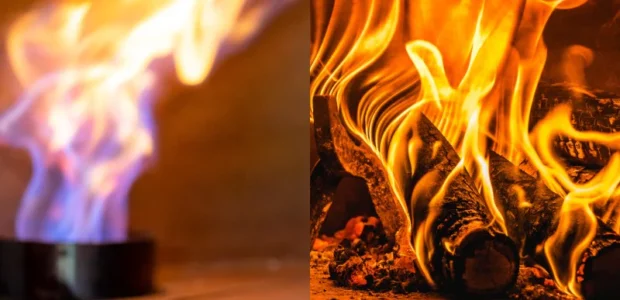

The Heart of Tradition: Why Neapolitan Pizza Relies on the Wood-Fired Oven
Neapolitan pizza is an international culinary masterpiece defined by strict rules and centuries of tradition. While high-quality ingredients like San Marzano pizzafuniculi.com tomatoes and fresh mozzarella are vital, the cooking method truly sets this style apart. To earn official certification from the Associazione Verace Pizza Napoletana (AVPN), a pizza must cook inside a traditional wood-fired oven. This specific cooking apparatus is not chosen for aesthetic charm, but for its unique thermodynamic properties. Understanding the engineering, physics, and sensory impact of the wood-fired oven reveals why this ancient tool remains irreplaceable in modern gastronomy.
The Engineering of a Living Oven
A traditional Neapolitan oven features a very specific architectural design. Built from specialized volcanic clay bricks or refractory stone, it has a low, curved dome shape. This design allows heat to circulate with maximum efficiency. Pizzaiolos (pizza makers) light an open wood fire directly on one side of the oven floor.
As the wood burns, the intense heat rises and gets trapped by the curved ceiling. This shape forces the heat to roll back down across the cooking floor, creating a continuous loop of thermal energy. The oven floor itself absorbs immense heat, reaching temperatures of at least 485°C (905°F). This structural design allows the oven to store energy continuously, ensuring it never cools down even when baking hundreds of pizzas consecutively.
The Physics of the Flash Bake
The extreme heat of a wood-fired oven triggers a phenomenon known as the “flash bake.” A genuine Neapolitan pizza cooks in just 60 to 90 seconds. This rapid process relies on three types of heat transfer working at the same time:
- Conduction: Heat transfers directly from the glowing stone floor into the bottom of the pizza dough, crisping the base instantly.
- Convection: Superheated air currents circulate under the dome, moving over the top of the pizza to melt the cheese and reduce the sauce.
- Radiation: Infrared energy radiates downward from the heated bricks of the ceiling, cooking the pizza evenly from above.
When the raw dough hits the intense heat of the stone floor, water trapped inside the fermented mixture vaporizes instantly. This rapid expansion causes the outer edge of the crust, called the cornicione, to puff up into a light, airy structure.
The intense heat chars small, isolated bubbles on the dough, creating a distinctive pattern known as “leopard spotting.” This short cooking window creates a perfect contrast: the outside of the crust becomes slightly crisp and beautifully charred, while the interior remains soft, moist, and pliable.
Flavor and Aroma Enhancement
Beyond physics, wood-fired cooking imparts distinctive sensory qualities that modern electric or gas ovens cannot replicate. The burning wood produces subtle, natural smoke. Because the pizza cooks so quickly, it does not develop a heavy, overpowering smoky taste. Instead, it absorbs a delicate hint of wood-fired aroma that complements the natural acidity of the tomatoes and the richness of the cheese.
Furthermore, the high heat caramelizes the natural sugars in the type 00 flour instantly. This rapid caramelization creates a complex flavor profile in the crust, introducing rich, nutty notes. The fast bake also prevents the fresh toppings from drying out. The mozzarella melts into a creamy pool without separating into oil, and the San Marzano tomatoes remain vibrant, fresh, and juicy.
A Legacy Preserved in Stone
The wood-fired oven connects modern pizza makers directly to the 18th-century street vendors of Naples. This ancient tool forces the pizzaiolo to rely on intuition, touch, and sight rather than digital timers or temperature dials. Managing the fire requires constant attention, moving logs precisely to control the flame. By preserving the use of the traditional wood-fired oven, artisans protect a delicate balance of science and human craftsmanship, ensuring that every bite of Neapolitan pizza carries the true taste of history.