
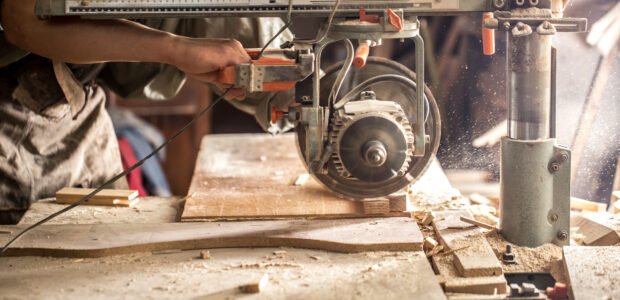

If you’re working with limited space, you’re certainly not alone. Many Australian woodworkers face the challenge of creating a functional workshop in a single-car garage or even a corner of their shed. The good news? Multi-functional woodworking machines have come a long way, offering genuine workshop capability without eating up every square centimetre of your precious floor space.
We will explore the top five multi-functional woodworking machines perfect for tight garage workshops. You’ll discover what makes these machines worth considering, how to assess your specific needs, and which option might suit your budget and skill level. Whether you’re a weekend hobbyist or a serious DIY enthusiast, there’s a combination machine out there that could transform your cramped workspace into a surprisingly capable production area.
Understanding Your Garage Workshop Needs
Before diving into specific machines, it’s worth taking stock of what you’re actually working with. Grab a tape measure and map out your available floor space including room for material handling and movement around the machine. Most combination woodworking machines need at least 2 metres by 2 metres of dedicated space, plus additional clearance for feeding long timber through.
Think carefully about the projects you’ll be tackling most often. Are you building furniture, crafting smaller items like jewellery boxes, or focusing on home improvement tasks? Your project types will determine which functions matter most. Someone building cabinets needs reliable jointing and planing capabilities, while a hobbyist making decorative pieces might prioritise routing and drilling functions.
What Is the Best All-in-One Woodworking Machines for Small Spaces?
The best all-in-one machine for small spaces combines essential functions without compromising on build quality or safety. Look for units that integrate a table saw, jointer, planer, and ideally a spindle moulder or router table. Some models also include mortising capabilities and horizontal boring functions.
When comparing combination woodworking machines to individual tools, there are clear trade-offs. Standalone machines typically offer greater precision and faster setup times since you’re not switching between functions. However, they demand significantly more floor space and investment. For most garage workshops, a quality combination machine delivers 80-90% of the capability at a fraction of the footprint.
Key features to prioritise include solid cast-iron tables for stability, quick-change mechanisms between functions, and adequate motor power typically 2HP minimum for serious work. Dust extraction ports are essential too, as sawdust management becomes even more critical in enclosed garage spaces.
The Top 5 Multi-Functional Woodworking Machines for Small Workshops
1. Best Overall: Hammer C3 31 Combination Machine
The Hammer C3 31 from Felder Group represents the sweet spot between professional capability and home workshop practicality. It combines a sliding table saw, surface planer, thicknesser, and spindle moulder in a remarkably compact footprint of approximately 1.8m x 1.2m.
- Pros: Exceptional build quality with Austrian engineering, smooth function transitions, outstanding dust extraction, and a 3HP motor that handles hardwoods effortlessly. The sliding table saw is particularly impressive for accurate panel work.
- Cons: The price point sits which is substantial for hobbyists. It’s also quite heavy, making repositioning challenging without a mobile base.
- Ideal for: Furniture makers, cabinet builders, and serious hobbyists who want near-professional results without dedicating an entire workshop to separate machines.
2. Best Budget Option: Carbatec HM-2A Combination Machine
- Pros: Excellent value proposition, adequate 1.5HP motor for most hobby projects, relatively lightweight for easier movement, and genuine multi-function capability.
- Cons: Lighter construction means more vibration during heavy cuts, smaller table surfaces limit workpiece size, and function changeovers take longer than premium models.
- Ideal for: Beginners, occasional woodworkers, and those wanting to test whether combination woodworking machines suit their workflow before investing more significantly.
3. Best for Serious Hobbyists: Robland HX 310 Pro
- Pros: Belgian engineering with quality components, 310mm planning width handles most furniture timber, smooth cast-iron tables, and relatively quick function changes.
- Cons: The footprint is larger than budget options, spare parts can require ordering from overseas, and the learning curve for optimal setup takes time.
- Ideal for: Committed hobbyists building furniture projects regularly, small custom furniture businesses, and woodworkers upgrading from entry-level equipment.
4. Best Space-Saver: Triton WorkCentre TWX7
The Triton TWX7 takes a different approach it’s a modular workstation accepting interchangeable modules for routing, sawing, and more. When not in use, it folds down to just 200mm thickness.
- Pros: Genuinely compact when folded, modular design lets you add capabilities over time, excellent for small spaces, and Australian-designed with local support.
- Cons: Individual modules purchased separately increase total cost, not as robust as dedicated combination machines, and better suited to lighter-duty work.
- Ideal for: Woodworkers with extremely limited space, those who need to clear their workshop between sessions, and users who prefer building capability gradually.
5. Best Premium Choice: Felder CF 741 S Professional
For those seeking workshop excellence without compromise, the Felder CF 741 S represents the pinnacle of combination machine engineering. This Austrian masterpiece integrates a sliding table saw, jointer, thicknesser, spindle moulder, and tilting spindle.
- Pros: Exceptional precision rivalling standalone machines, supreme build quality, 5.5HP motor powers through any timber, outstanding dust management, and likely the last combination machine you’ll ever need.
- Cons: The price tag requires serious commitment, significant weight demands proper flooring, and it’s arguably overkill for casual hobbyists.
- Ideal for: Professional woodworkers in compact studios, serious enthusiasts seeking lifetime tools, and anyone who values precision above all else.
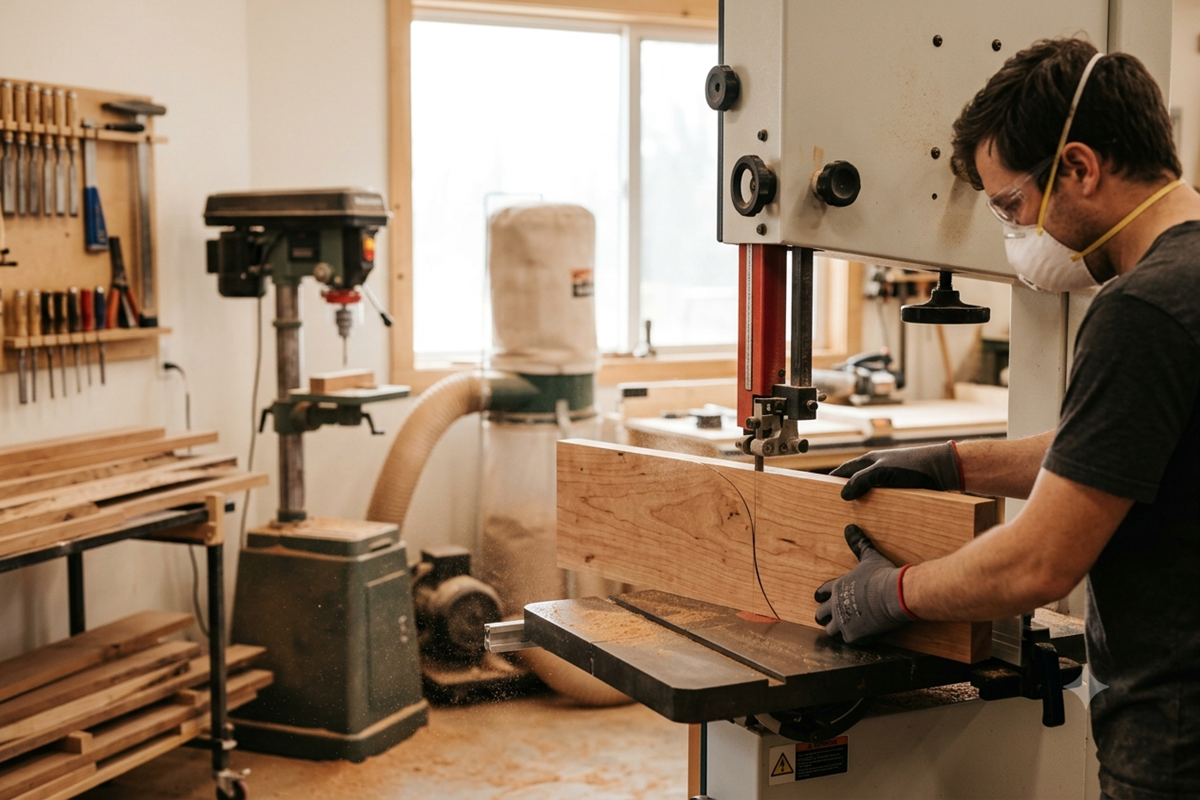
Are Combination Woodworking Machines Worth the Investment?
Beyond initial cost, consider floor space value. In Australian cities where garage space costs a premium, dedicating 10 square metres to separate machines has real financial implications. A combination machine using 4 square metres suddenly looks even more attractive.
Long-term durability varies by manufacturer, but quality combination machines from established brands routinely last 20-30 years with proper maintenance. The investment calculates favourably for anyone planning regular woodworking machines activity.
Safety Considerations for Multi-Functional Woodworking Machines
Safety becomes particularly important with combination woodworking machines because you’re regularly switching between different cutting operations. Always ensure guards are properly positioned for each function, and never rush changeovers this is when most accidents occur.
Essential safety features include blade guards, riving knives for sawing operations, and emergency stop buttons within easy reach. Quality woodworking machines incorporate interlocks preventing operation when guards are incorrectly positioned.
Maintenance requirements are straightforward but essential: keep blades sharp, tables clean and waxed, and moving parts lubricated. Schedule monthly inspections of safety mechanisms to confirm proper function.
Choosing the Right Woodworking Machines for Your Garage Workshop
So, which combination machine suits your garage workshop best? For most Australian woodworkers starting out, the Carbatec HM-2A offers genuine capability without breaking the bank. Those ready to invest in quality should seriously consider the Robland HX 310 Pro or Hammer C3 31 both deliver years of reliable service.
Remember, the best woodworking machines depends entirely on your specific situation. Consider your available space, typical project types, and realistic budget. Don’t forget ongoing costs like blade replacements and dust extraction when calculating total investment.
Whatever you choose, a quality combination machine can transform a cramped garage into a surprisingly capable workshop. Start with honest assessment of your needs, visit suppliers to see machines in action where possible, and invest in the best quality your budget allows. Your future woodworking machines self will thank you for the thoughtful decision. Happy building!