
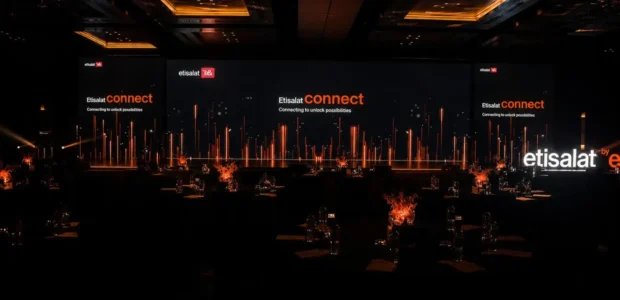

Begin With Clear Requirements for Interactive Screen Rental Dubai
Professional event planning starts with understanding what the event needs to accomplish. Define the audience, objectives, format, date, venue, expected attendance, budget, and production requirements.
If the event includes interactive screen rental dubai, for example, the planning team should identify how the screens will be used, where they will be positioned, what content they will display, and whether guests will interact directly with them.
This early stage creates a foundation for the rest of the planning process.
Build the Technical Plan With an Audio Visual Company Dubai
An audio visual company dubai can help translate the event requirements into practical technical solutions. This may involve sound systems, screens, projectors, LED displays, lighting, presentation systems, playback equipment, and technical crew.
AV planning should be connected to the venue layout and event program rather than treated as a separate task.
Stage 1: Event Brief
Create a detailed event brief covering:
- Purpose
- Audience
- Date
- Venue
- Guest numbers
- Program
- Budget
- Branding
- Technical needs
The brief should be shared with key suppliers and stakeholders.
Stage 2: Venue and Site Assessment
Review the venue’s capacity, layout, access points, power, ceiling height, loading areas, technical restrictions, acoustics, and audience sightlines.
A site assessment can reveal production challenges before equipment and designs are finalized.
Stage 3: Creative and Production Design
Develop the visual concept, stage layout, branding, décor, lighting approach, screen placement, and audience experience.
The design should reflect the event’s purpose and work within the physical limitations of the venue.
Stage 4: Supplier and Equipment Coordination
Confirm suppliers, equipment, staffing, transportation, setup requirements, and responsibilities.
Create a production schedule showing when each supplier needs to arrive and what work needs to be completed.
Stage 5: Content Preparation
Collect presentations, videos, graphics, music, scripts, speaker information, and other content.
Test important files before event day and make sure they match the technical specifications of the selected systems.
Stage 6: Rehearsal and Technical Testing
Run through the event sequence and test microphones, screens, videos, lighting cues, presentations, stage movements, and transitions.
This stage provides an opportunity to correct issues before guests arrive.
Stage 7: Event-Day Execution
On event day, the production team manages setup, final checks, guest arrival, program cues, technical operation, speaker support, entertainment, and transitions.
A clear run-of-show helps everyone understand the sequence of events.
Stage 8: Teardown and Review
After the event, equipment and temporary structures are removed according to the venue schedule.
A post-event review can identify what worked well and what should be improved for future events.
Helpful Planning Tips
- Start with a detailed event brief.
- Inspect the venue before finalizing production.
- Connect creative design with technical planning.
- Confirm supplier responsibilities.
- Collect content early.
- Schedule a proper rehearsal.
- Use a detailed run-of-show.
- Conduct a post-event review.
FAQs
What is the first stage of professional event planning?
The first stage is defining the event brief, including objectives, audience, format, budget, venue, date, and key requirements.
Why is a venue inspection important?
It helps identify physical and technical limitations that can affect staging, AV, lighting, guest movement, and equipment installation.
When should technical testing happen?
Testing should take place before guests arrive, with a full rehearsal scheduled when the event program is complex.
Final Words
Professional event planning is a process that moves from objectives and requirements to design, coordination, testing, execution, and review. Each stage contributes to a more organized event and gives the production team opportunities to identify problems before they affect guests.