
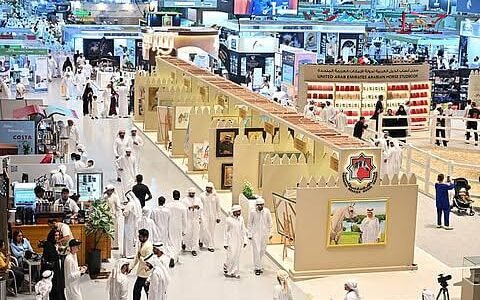

Designing an exhibition stand in Dubai requires more than selecting an attractive concept. Businesses need to consider the exhibition venue, available floor space, visitor profile, branding requirements, technical facilities, installation rules, and the purpose of the stand. Working with an exhibition stand contractor in UAE can help businesses understand the practical requirements before the design reaches the production stage.
Dubai hosts exhibitions across technology, healthcare, construction, hospitality, finance, retail, and many other sectors. Each event can have different venue regulations and audience expectations, so the stand should be planned around the specific exhibition rather than based on a generic template.
Understand the Exhibition Requirements
Before approaching an exhibition stand builder dubai, collect the official information provided by the organiser and venue. This may include stand dimensions, height restrictions, construction guidelines, electrical requirements, access arrangements, health and safety rules, and installation schedules.
Understanding these requirements early helps prevent design changes later.
Define the Purpose of Your Stand
A stand should have a clear objective. Some businesses focus on product demonstrations, while others want to generate business enquiries, arrange meetings, showcase new products, or build brand awareness.
Your objective affects the design. A product demonstration requires accessible display space, while a business focused on meetings may need enclosed or semi-private areas.
Know Your Target Audience
Think about who will attend the exhibition and what they are likely to want from the brand.
Consider:
- Job roles
- Industry background
- Buying interests
- Expected visitor volume
- Typical questions
- Product knowledge
- Desired interaction
This information can influence everything from graphics and demonstrations to seating and staff positioning.
Plan Around the Available Space
The stand footprint determines what can realistically be included. Avoid designing features before confirming the exact dimensions.
Create zones for different activities where appropriate. These might include:
- Reception
- Product display
- Demonstration
- Meetings
- Hospitality
- Storage
- Staff area
Good space planning keeps the visitor route open and prevents staff areas from interfering with customer interactions.
Consider Dubai Venue Regulations
Different exhibition venues and events may have specific requirements. Height, rigging, electrical connections, construction materials, fire safety, access, and installation procedures can all affect the final design.
The organiser’s technical manual should therefore be reviewed before construction begins. Any required approvals should be incorporated into the project schedule.
Plan Your Visual Communication
Your graphics need to work at different distances. Visitors approaching the stand should immediately be able to identify the brand and understand its main offering.
Keep the hierarchy simple. The most important message should receive the greatest visual prominence, while supporting information can be presented through displays, brochures, screens, or staff conversations.
Choose Materials Carefully
The appearance and practicality of materials both matter. Materials should suit the brand, exhibition environment, expected usage, and installation requirements.
Consider durability, finish, weight, cleaning, reusability, and how each material contributes to the overall visitor experience.
Think About Technology
Digital screens, touch displays, LED walls, product demonstrations, interactive applications, and other technologies can increase engagement when they serve a clear purpose.
However, technology should not become the main attraction unless it supports the exhibition objective. Make sure there is also a practical plan for content, power, operation, and technical support.
Allow Space for Storage
Storage is often overlooked during the initial design. Staff may need space for marketing materials, personal belongings, packaging, refreshments, cleaning supplies, or equipment.
A concealed storage area can keep the public-facing sections of the stand organised.
Plan Installation and Dismantling
A stand is not complete when the design is approved. Production, transportation, installation, testing, venue inspection, and dismantling also need to be considered.
Ask the contractor about the installation schedule and what responsibilities fall under the exhibitor, venue, and stand provider.
Helpful Tips Before Finalising the Design
- Confirm the exact stand dimensions.
- Review the organiser’s technical manual.
- Define the main business objective.
- Identify the target audience.
- Plan visitor and staff movement.
- Keep the main branding easy to see.
- Include adequate storage.
- Confirm electrical and technology requirements.
- Allow time for approvals and revisions.
- Check installation and dismantling arrangements.
Common Questions
What is the first step in exhibition stand design?
The first step is usually defining the exhibition objective and understanding the venue and stand requirements.
Does the venue affect stand design?
Yes. Venue rules can influence height, materials, electrical systems, access, rigging, installation, and other technical elements.
Should every stand include technology?
No. Technology should be selected according to the business objective and visitor experience rather than included simply because it is available.
How important is storage?
Storage is important because it keeps personal items, supplies, and equipment away from visitor-facing areas.
Final Words
A successful exhibition stand begins with planning. Before focusing on colours, graphics, or decorative features, businesses should understand the venue, audience, objectives, space, regulations, technology, and installation requirements. This creates a stronger foundation for developing a practical and visually effective exhibition environment.