
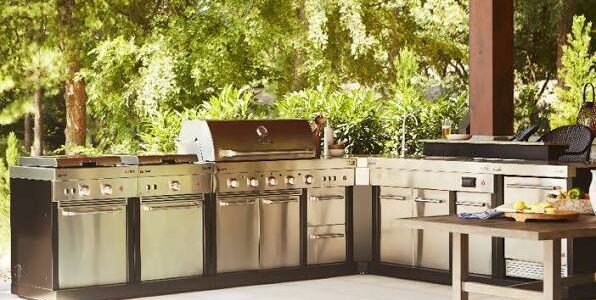

A modular outdoor kitchen can transform an ordinary backyard or patio into a practical space for cooking, entertaining, and relaxing. However, choosing the right layout and components requires more than selecting cabinets and a grill. If you are considering an outdoor grill island Meridian ID, it is important to evaluate your available space, utility connections, weather conditions, materials, and long-term maintenance before making a purchase. Careful planning helps ensure your outdoor kitchen is functional, durable, and suited to your home and lifestyle.
What Is a Modular Outdoor Kitchen?
A modular outdoor kitchen is an outdoor cooking setup made from pre-designed or customizable components that can be arranged to fit a particular space. Unlike a fully custom-built masonry kitchen, modular systems typically use individual cabinets, countertops, cooking appliances, storage units, and accessories that can be combined into different configurations.
Common modular outdoor kitchen components include:
- Built-in or freestanding grills
- Outdoor-rated cabinets
- Countertops and prep surfaces
- Refrigerators and beverage coolers
- Side burners
- Sinks and faucets
- Trash and recycling storage
- Drawers and enclosed storage
- Bar seating and serving counters
Because the components are manufactured separately, modular kitchens can often provide greater flexibility during installation and future upgrades.
Evaluate Your Outdoor Space
Before ordering any components, measure the area where you plan to install the kitchen. Consider both the dimensions and the shape of your patio, deck, or backyard.
Think about how people will move around the kitchen. A grill island may look attractive against a wall, but it should not block walkways, doors, gates, or access to other parts of the yard.
Also consider:
- Available floor space
- Existing patio or deck dimensions
- Distance from the house
- Door and window locations
- Walkways and traffic patterns
- Seating and entertaining areas
- Exposure to sunlight, wind, and rain
Popular layouts include straight-line, L-shaped, U-shaped, and island configurations. The best layout depends on your property and how you intend to use the space.
Plan the Cooking and Prep Zones
A well-designed outdoor kitchen should make cooking convenient. Place frequently used components close enough together that you do not have to constantly move between different areas.
For example, your primary grill can serve as the main cooking zone, while a nearby countertop provides space for preparing food. Storage should be within easy reach, and a refrigerator can be positioned close to the prep area.
Think about the complete cooking process:
Storage → Preparation → Cooking → Serving → Cleanup
Organizing your kitchen around these activities can make the space more efficient and easier to use when entertaining guests.
Consider Utilities Before Installation
One of the most important considerations is determining which utilities your modular kitchen requires. Depending on your design, you may need electricity, natural gas, propane, water, and drainage.
Electrical requirements may include connections for:
- Refrigerators
- Outdoor lighting
- Ice makers
- Warming drawers
- Small appliances
- Outlets for food preparation
If you want a sink, you will also need to plan for water supply and drainage. Gas-powered appliances require appropriate gas connections and safety considerations.
Professional outdoor kitchen system installation Meridian ID can help ensure that the kitchen’s utility connections and components are properly planned and installed for the intended use.
Choose Durable Outdoor Materials
Outdoor kitchens are exposed to changing weather conditions throughout the year. Materials that work well indoors may not perform the same way outside.
Look for materials specifically designed for outdoor environments. Stainless steel is commonly used for outdoor appliances and cabinetry because it is durable and relatively easy to clean. Other options include weather-resistant aluminum, masonry, stone, porcelain, and specially engineered outdoor cabinet materials.
When comparing materials, consider:
- Moisture resistance
- UV exposure
- Temperature changes
- Corrosion resistance
- Cleaning requirements
- Expected lifespan
Your local climate should play a major role in your material selection.
Select the Right Grill and Appliances
The grill is often the centerpiece of an outdoor kitchen, but it should not be selected based solely on size or appearance.
Consider how many people you typically cook for and the types of food you prepare. A homeowner who regularly hosts large gatherings may need a larger cooking surface, while a smaller household may benefit from a compact setup.
Additional appliances can improve convenience, but they also increase the kitchen’s cost and utility requirements.
Depending on your needs, you might consider:
- Gas or propane grills
- Charcoal grills
- Side burners
- Pizza ovens
- Outdoor refrigerators
- Smokers
- Warming drawers
- Ice makers
Prioritize appliances that you are likely to use regularly rather than filling the kitchen with unnecessary features.
Think About Counter Space and Storage
Counter space is easy to underestimate when planning an outdoor kitchen. You need enough room to place ingredients, plates, utensils, and prepared food.
Storage is equally important. Outdoor-rated cabinets can provide dedicated areas for cookware, grilling tools, serving dishes, cleaning supplies, and other accessories.
If you frequently entertain, additional storage can prevent repeated trips between your outdoor kitchen and indoor kitchen.
A practical design should provide a balance between cooking appliances, preparation space, and storage rather than dedicating most of the available area to the grill.
Plan for Ventilation and Safety
Safety should be part of the design from the beginning. Gas grills and other heat-producing appliances require appropriate clearances and ventilation.
Avoid placing cooking equipment too close to combustible structures or materials. The manufacturer’s installation requirements should always be followed.
You should also consider:
- Fire safety
- Gas line placement
- Electrical protection
- Appliance clearances
- Proper ventilation
- Safe pedestrian pathways
- Weather protection
If you are unsure about utility connections or appliance placement, consult qualified professionals before installation begins.
Consider Weather Protection
A covered outdoor kitchen can provide additional comfort and protection from the elements. Depending on your property, you might use a covered patio, pergola, roof extension, or other weather-resistant structure.
However, adding a roof or enclosure can affect ventilation, appliance placement, lighting, and construction requirements.
Even without a full cover, you can protect your kitchen by selecting weather-resistant materials and using appropriate covers for appliances when they are not in use.
Establish Your Budget
The cost of a modular outdoor kitchen depends on its size, materials, appliances, countertops, utility work, and installation requirements.
Before purchasing anything, create a realistic budget that includes more than the visible kitchen components. Installation, electrical work, plumbing, gas connections, permits where applicable, site preparation, and additional accessories can affect the final cost.
A basic modular setup may be enough for homeowners who primarily want a grill and preparation area. Larger entertainment-focused kitchens may require additional refrigeration, storage, seating, lighting, and cooking appliances.
Think About Future Expansion
One advantage of modular outdoor kitchens is that they can offer flexibility for future upgrades. You may not need every appliance or feature immediately.
For example, you could begin with:
- A grill
- Base cabinets
- Counter space
- Basic storage
Later, you could add a refrigerator, side burner, beverage station, additional cabinets, or other accessories if your space and utility connections allow it.
Planning for expansion from the beginning can make future upgrades easier.
Final Checklist Before Installation
Before placing your order or beginning installation, review the entire project.
Ask yourself:
- Do I have enough space for cooking and movement?
- Is the layout appropriate for entertaining?
- Are gas, water, and electrical connections available?
- Are the selected materials suitable for outdoor use?
- Is there enough counter and storage space?
- Are appliances appropriately sized?
- Does the design account for ventilation and safety?
- How will the kitchen be protected from weather?
- Have I included installation and utility costs in my budget?
- Can the system be expanded later?
Final Thoughts
A modular outdoor kitchen can add functionality and value to an outdoor living area, but successful installation starts with careful planning. Evaluate your space, determine your utility requirements, choose weather-resistant materials, select appliances based on your actual cooking habits, and leave enough room for preparation, storage, and movement.
Whether you are building a compact grill station or a complete entertainment kitchen, making these decisions before installation can help you create an outdoor cooking space that is comfortable, practical, and built for long-term use.