
Why cattle grid access planning should consider wider machinery and future traffic demands
Posts by triangleltdOctober 19, 2026
This article was originally published on pearltrees.com and has been republished here with permission.
A rural entrance may work perfectly today and still become a problem a few years later. Wider tractors, heavier trailers, utility vehicles, and more frequent deliveries can quickly expose weak planning. The best time to think about these changes is before the route is built or upgraded. Access width, turning space, drainage, load capacity, and maintenance all deserve early attention. In this article, we will discuss how future traffic needs can shape a safer, more practical, and longer-lasting rural access point.
Planning for the Vehicles That May Arrive Later
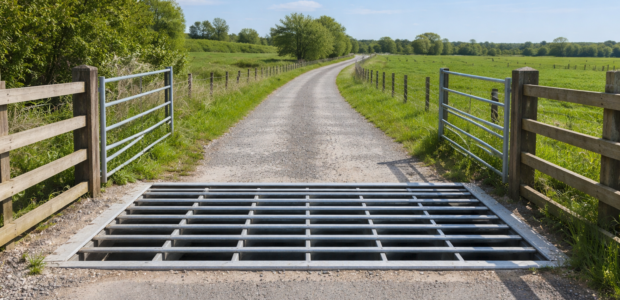
A well-planned cattle grid should suit more than the vehicles using the route right now. Farm machinery tends to get larger, while forestry, utility, and delivery traffic may increase as land use changes. If the entrance is too narrow, vehicles may clip fencing, struggle to turn, or cross at an awkward angle. Allowing a little extra space during planning can prevent costly alterations later. In my view, future vehicle width is one of the easiest things to underestimate because current traffic often feels like the obvious reference point.
Getting the Foundations and Approaches Right
Good cattle grid installation depends on more than placing a steel unit into the ground. The base, approach levels, drainage, and nearby fencing must all work together. Heavy vehicles create more stress on the structure, so weak ground or poor support can lead to movement and uneven surfaces. A loaded agricultural trailer, for example, may expose problems that lighter farm traffic never showed. Proper preparation helps spread loads, keeps the crossing level, and makes daily use smoother through wet weather and busy periods.
Checks Worth Making Before Work Starts
Anyone planning to install cattle grid systems on a busy rural route should review a few practical details before excavation begins.
- Measure the widest machinery expected to use the entrance
- Check turning space for trailers and long vehicles
- Confirm expected axle loads and traffic frequency
- Review ground strength and foundation requirements
- Plan drainage and a reliable water outlet
- Allow safe access for cleaning and inspection
These checks are simple, but they help prevent an entrance from becoming too tight, too weak, or too difficult to maintain once traffic increases.
Choosing a Specification That Can Grow with the Site
When looking at a commercial cattle grid for sale, it makes sense to think about how the route may be used five or ten years from now. A crossing built only for current traffic may need early replacement if heavier vehicles are introduced later. The tradeoff is straightforward: a stronger specification may cost more at the start, but it can reduce repairs, closures, and repeat work over time. Planning for future use also makes maintenance easier because access, cleaning, and inspection needs can be considered before everything is fixed in place.
Conclusion
Good access planning should look beyond today’s vehicle size and traffic levels. By considering future machinery, turning space, ground strength, drainage, and maintenance needs early, landowners can reduce avoidable changes and create a crossing that remains practical for longer.
Triangle Limited supports rural access and infrastructure projects across the South of England while expanding into Wales and the Midlands. Through design, fabrication, installation, and maintenance, the company helps clients plan dependable access solutions around real site conditions and long-term use.
Frequently Asked Questions
Question: Why should future vehicle size be considered during access planning?
Answer: Farm and service vehicles can become larger over time, especially when land use changes or new equipment is introduced. Allowing enough width and turning space from the beginning can prevent later changes to fencing, approaches, or the crossing itself. It also gives drivers more room to enter and leave safely without damaging nearby boundaries. This is especially useful where long trailers need wider turning movements.
Question: How does drainage affect a rural crossing?
Answer: Poor drainage can lead to standing water, mud build-up, corrosion, and weakened foundations. These issues can become worse during wet seasons or after heavy rainfall. A clear outlet and suitable ground preparation help protect the structure, keep the surrounding route usable, and make routine cleaning and inspection much easier.
Question: Is a heavier-duty specification always the better choice?
Answer: Not always. The right option depends on expected loads, traffic frequency, ground conditions, and future use. A stronger specification can offer better long-term value, especially on busy entrances, but overspecifying can add unnecessary cost. The best choice is one that matches both current traffic and realistic future demands.