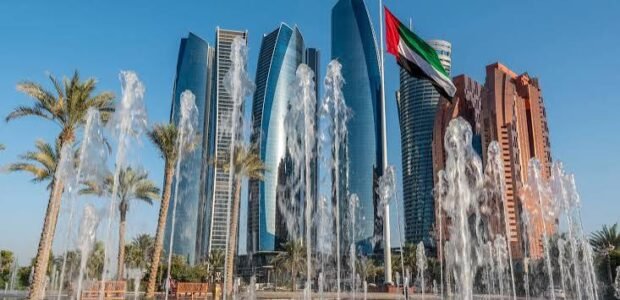

Quick answer: Entrepreneurs prefer Abu Dhabi for industrial business setup because it offers low operating costs, world-class infrastructure, generous free zones, access to global markets, and strong government support. The emirate combines affordable industrial land with tax benefits, making it a smart base for manufacturing and heavy industry.
Abu Dhabi has quietly become one of the most attractive places in the Middle East to launch an industrial business. While much of the spotlight often falls on its glamorous neighbor, many founders in manufacturing, logistics, and heavy industry are choosing the UAE capital instead. The reasons are practical: lower costs, plenty of industrial land, and a government that actively wants industry to grow.
If you run a factory, an assembly plant, or a large-scale trading operation, location matters more than you might think. The right base can lower your expenses, speed up your supply chain, and open doors to new markets. That is exactly what Abu Dhabi promises.
This post breaks down why entrepreneurs favor Abu Dhabi for industrial setup, shares helpful tips for getting started, and answers the most common questions. Let’s dig in.
The Real Advantages of an Abu Dhabi Industrial Setup
Abu Dhabi is the largest of the seven emirates and holds most of the UAE’s oil reserves. That wealth has funded serious investment in industrial zones, ports, and transport links. For business owners, this translates into real, tangible benefits.
While some entrepreneurs still weigh a Business Setup in Dubai against the capital, Abu Dhabi often wins on cost and space. Industrial land tends to be cheaper, and the emirate has built dedicated zones like Khalifa Industrial Zone Abu Dhabi (KIZAD) specifically for manufacturers and large operations.
Here are the main draws:
- Affordable industrial land: Larger plots at lower rates compared to more crowded emirates.
- Free zone benefits: Full foreign ownership, customs exemptions, and simplified rules in designated zones.
- Strategic location: Easy access to Europe, Asia, and Africa through world-class seaports and airports.
- Tax advantages: No personal income tax and a competitive corporate tax structure with exemptions in many free zones.
- Strong logistics: Deep-water ports like Khalifa Port shorten shipping times and cut freight costs.
For heavy industry, these factors add up quickly. Lower rent and cheaper energy can make the difference between a thin margin and a healthy one.
How Business Consultants in UAE Make the Process Easier
Setting up an industrial company involves licenses, permits, environmental approvals, and land agreements. This is where business consultants in UAE earn their keep. They guide you through paperwork, help you pick the right jurisdiction, and often speed up approvals that would otherwise take weeks.
A good consultant will help you decide between a mainland license and a free zone setup. Each has different rules on ownership, trade, and tax. They also handle company registration, visa processing, and connections with local authorities.
For a first-time investor unfamiliar with UAE regulations, this support is worth the fee. Mistakes in licensing or zoning can be costly and slow, so having an expert in your corner reduces risk.
Mainland vs Free Zone: Which Suits an Industrial Business?
Choose a free zone if full foreign ownership, customs perks, and export focus matter most to you. Free zones like KIZAD are built for manufacturing and offer strong incentives.
Choose a mainland setup if you want to trade freely across the wider UAE market and take on local government contracts. Mainland companies can sell directly to the domestic market without a local distributor in many sectors.
Your consultant can match your business model to the option that saves you the most money and hassle.
Helpful Tips for a Smooth Industrial Setup
A little preparation goes a long way. Keep these pointers in mind before you commit.
- Define your activity clearly. Your license must match what you actually do, so list every activity your factory will perform.
- Budget for utilities. Industrial operations use a lot of power and water. Confirm energy costs and supply reliability early.
- Check environmental rules. Manufacturing often needs environmental permits. Factor approval time into your launch plan.
- Plan for labor. Understand visa quotas and worker accommodation requirements before you hire at scale.
- Compare zones. Not every industrial zone offers the same incentives. Compare rent, energy, and location before signing.
Getting these basics right early prevents delays and unexpected costs later.
Final Words
Abu Dhabi rewards entrepreneurs who think long term. With affordable land, strong infrastructure, tax perks, and a government eager to grow its industrial base, the emirate offers a solid foundation for manufacturing and heavy industry. The keys to success are choosing the right jurisdiction, budgeting carefully, and leaning on expert guidance when you need it.
If you are serious about launching a factory or large-scale operation, start by mapping your needs against what each zone offers. Then bring in a trusted advisor to handle the details. With the right plan, your industrial venture in Abu Dhabi can move from idea to production faster than you expect.
Frequently Asked Questions
How much does it cost to set up an industrial business in Abu Dhabi?
Costs vary widely based on your activity, land size, and license type. Expenses include license fees, land rent, utility connections, and visa costs. A consultant can give you an accurate estimate once they know your business plan and scale.
How long does the industrial setup process take?
For a straightforward free zone company, setup can take a few weeks. Industrial projects that need environmental approvals or large land plots take longer, often a few months. Good preparation and expert help can shorten this timeline.
Can foreigners own 100 percent of an industrial company in Abu Dhabi?
Yes. In free zones, foreign investors can own their company outright. Recent reforms have also allowed full foreign ownership for many mainland activities, though rules vary by sector.
Is Abu Dhabi better than other emirates for manufacturing?
For heavy industry and large operations, Abu Dhabi often stands out due to cheaper land, dedicated industrial zones, and access to major ports. The best choice depends on your product, target market, and budget.
Do I need a local partner for an industrial business?
In most free zones, no local partner is required. On the mainland, many industrial activities now allow full foreign ownership, but some sectors still have specific requirements. Confirm with a consultant based on your activity.